Cases
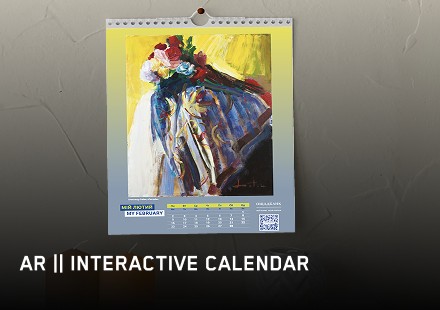
Our team developed an interactive AR calendar in which illustrations come to life through augmented reality. Using a smartphone and QR scanning, users can activate AR content by pointing the camera at specific pages of the calendar.
Each illustration transforms into a dynamic digital element, creating an additional layer of interaction with the printed product. The solution combines design, AR technology, and storytelling, turning a corporate calendar into an interactive brand experience.
The implemented case demonstrates how traditional offline materials can effectively operate within a brand’s digital ecosystem and strengthen emotional engagement with the audience.
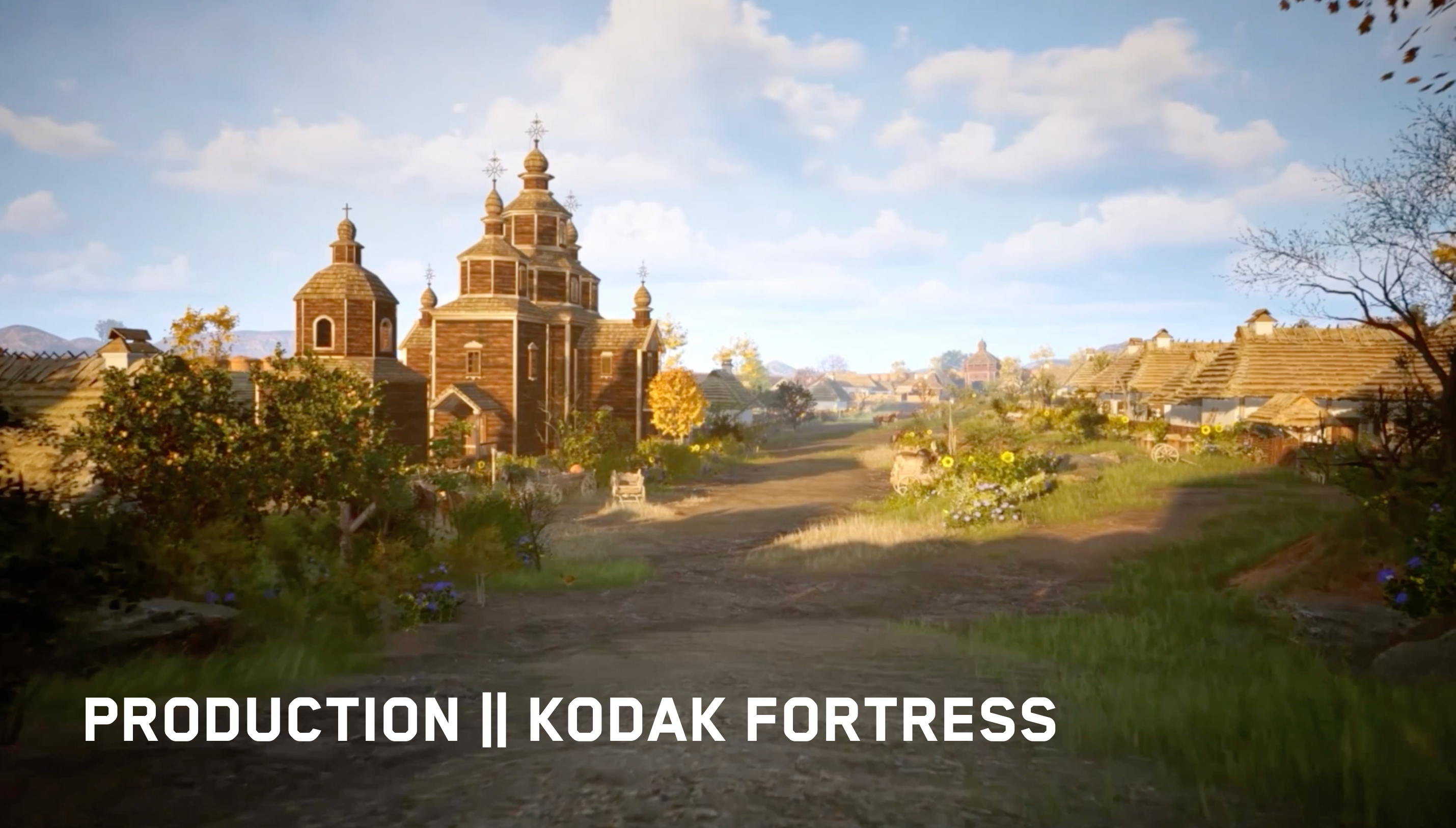
Based on historical sources and in collaboration with historians, we created a detailed 3D model of the fortress and its surroundings. Using this model, we produced a cinematic film and an interactive 3D tour for the museum’s website, allowing users to explore locations and objects independently.
We developed a 360° digital project featuring three interactive rooms, animated artworks, visual effects, and audio stories. All elements are integrated into an interactive web platform that ensures full immersion in the virtual space.
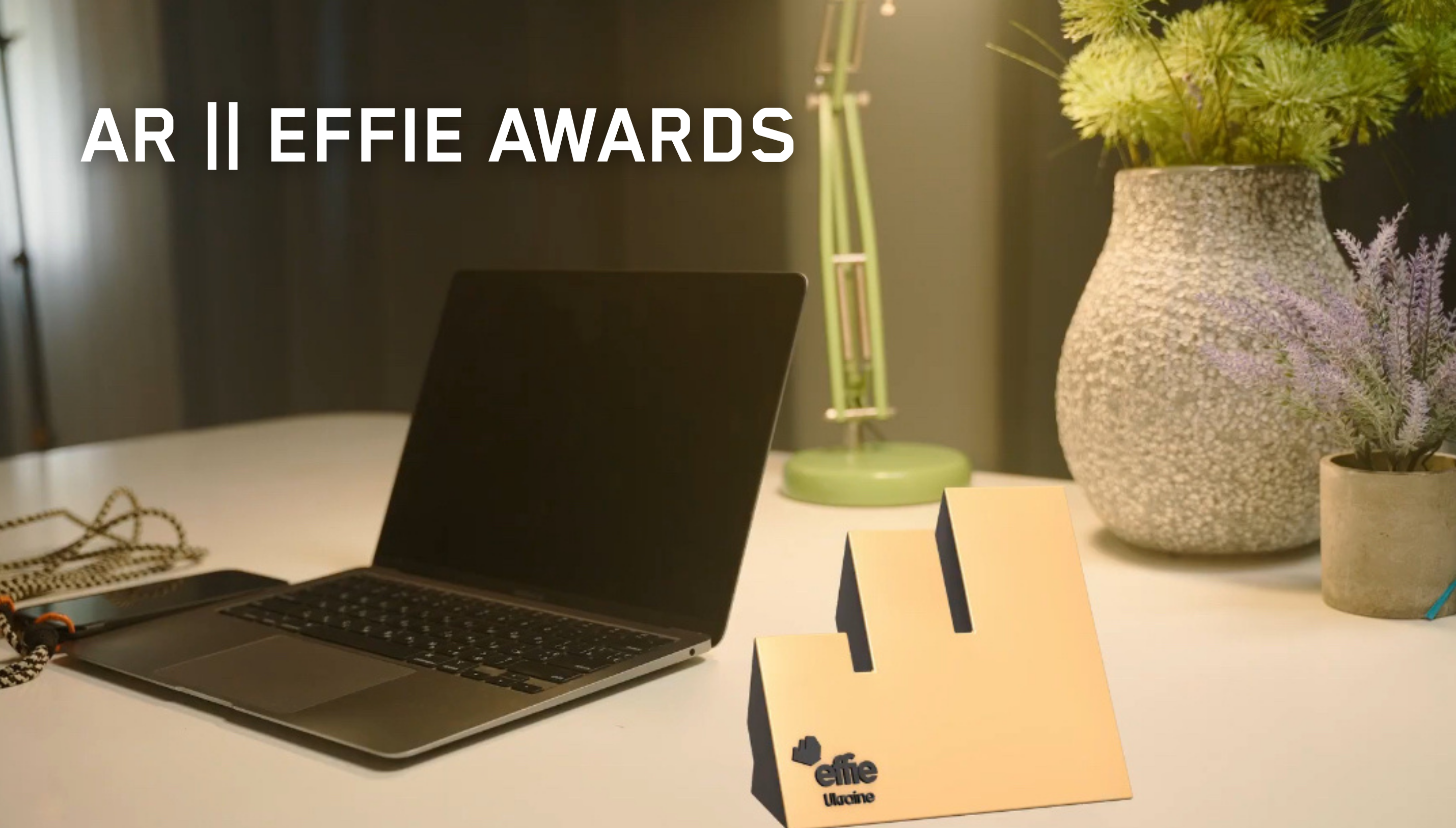
We developed an AR activation for the anniversary pin in the form of a stamp. When a mobile device was pointed at the souvenir, it came to life: a highly accurate 3D Effie statuette appeared in augmented reality.
The technology was implemented via WebAR, which allowed the activation to be launched without additional applications — directly from the browser, ensuring simple and fast interaction.
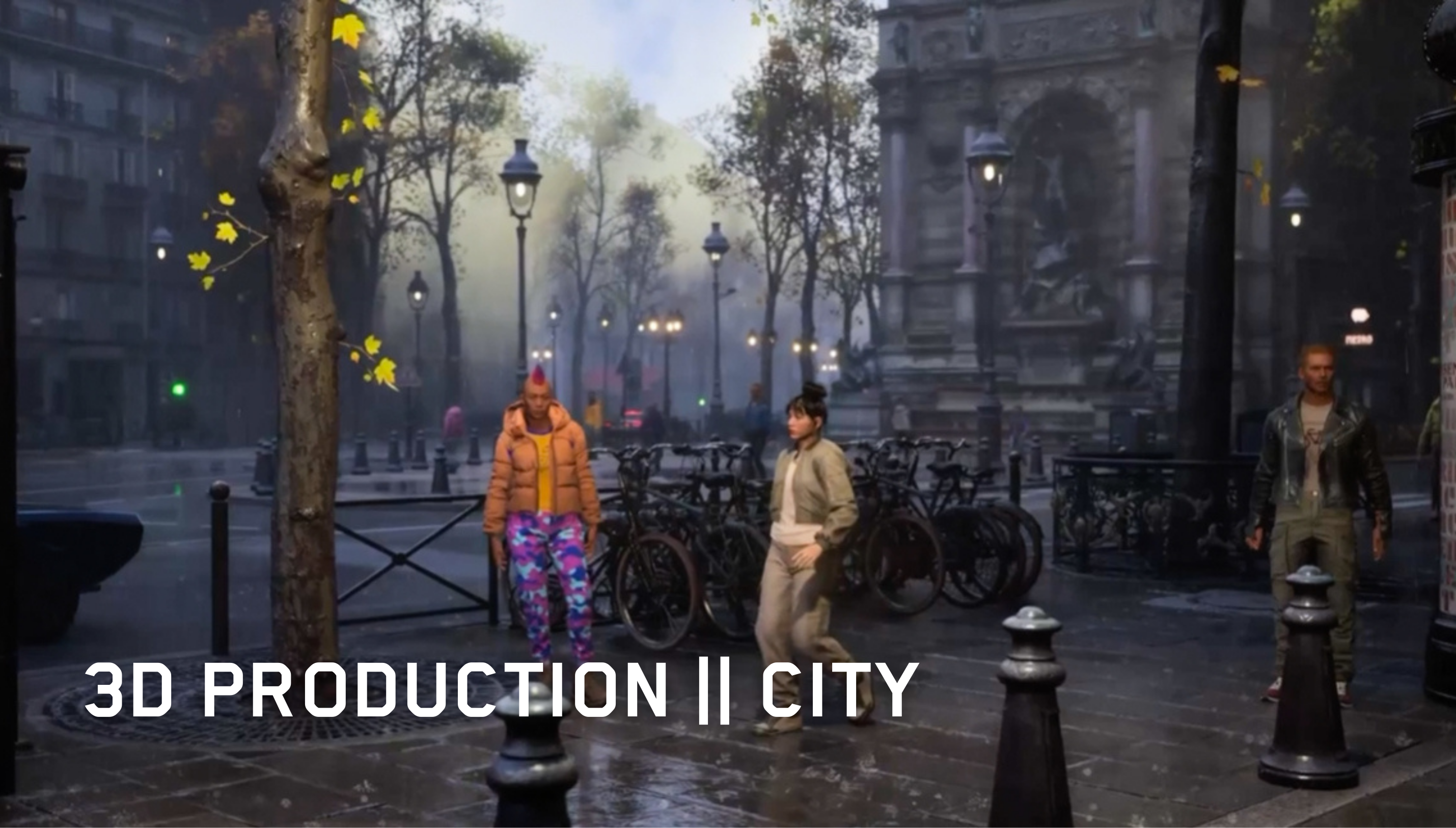
We developed an urban 3D location with architecture, transportation, and groups of people, which served as the main stage for visual experiments. We recreated various weather scenarios: from sunny weather to rain, snowfall, and fog. Each transition was animated with an emphasis on realistic lighting, reflections, and particle movement.
The final project combined cinematic style with a high level of detail, allowing the video to be flexibly adapted to various formats, including presentations, commercials, and digital campaigns.
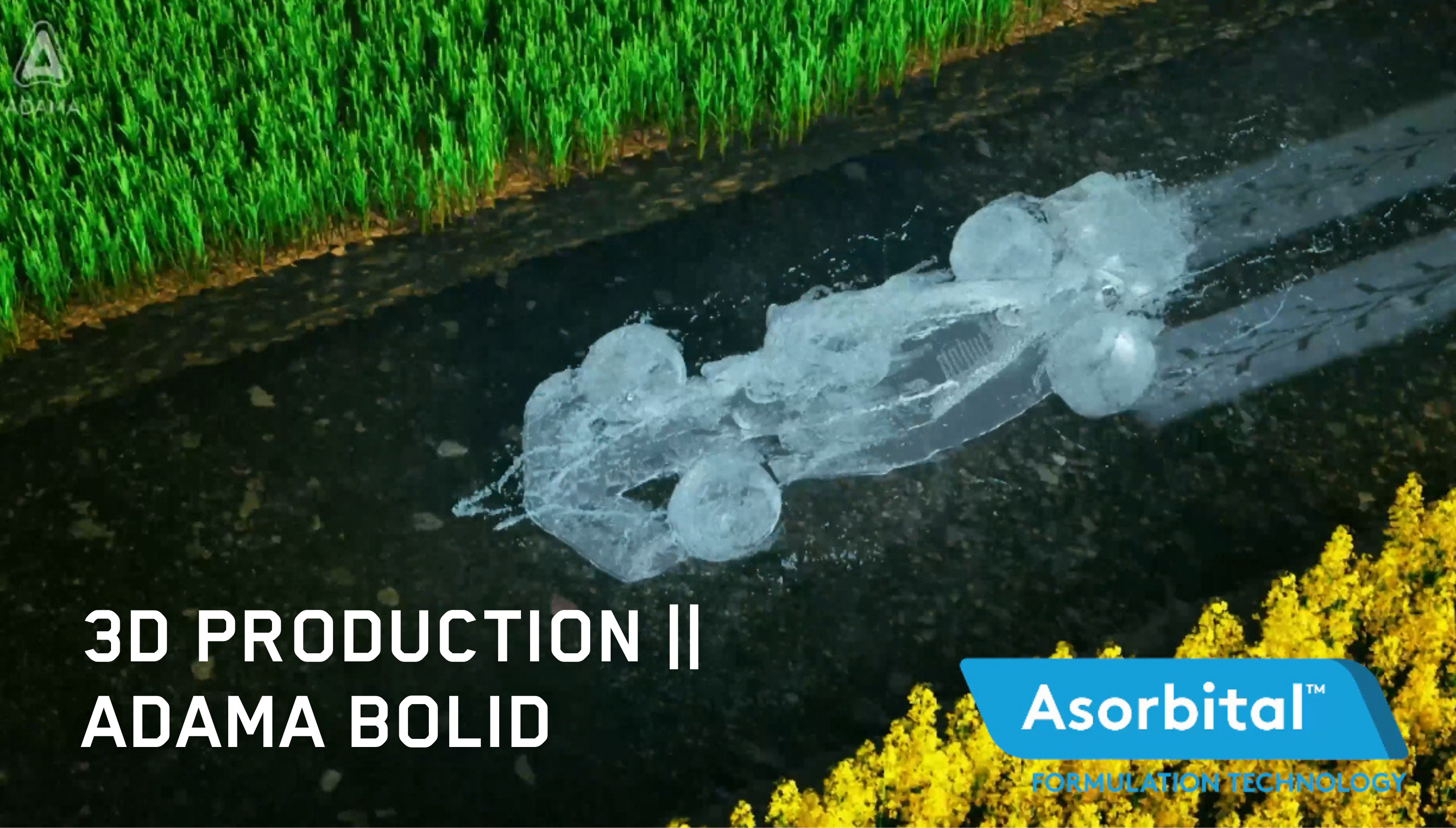
We created a script and developed a 3D location in Unreal Engine, where each element emphasized the key properties of the product. In Houdini, we modeled a race car and created an animation with water simulation on the body, which conveyed speed and power. The project was complemented by graphic design, sound design, and voice-over narration, which formed a complete audiovisual image. We adapted the final video to different formats and lengths for use on the website, social media, and presentations.
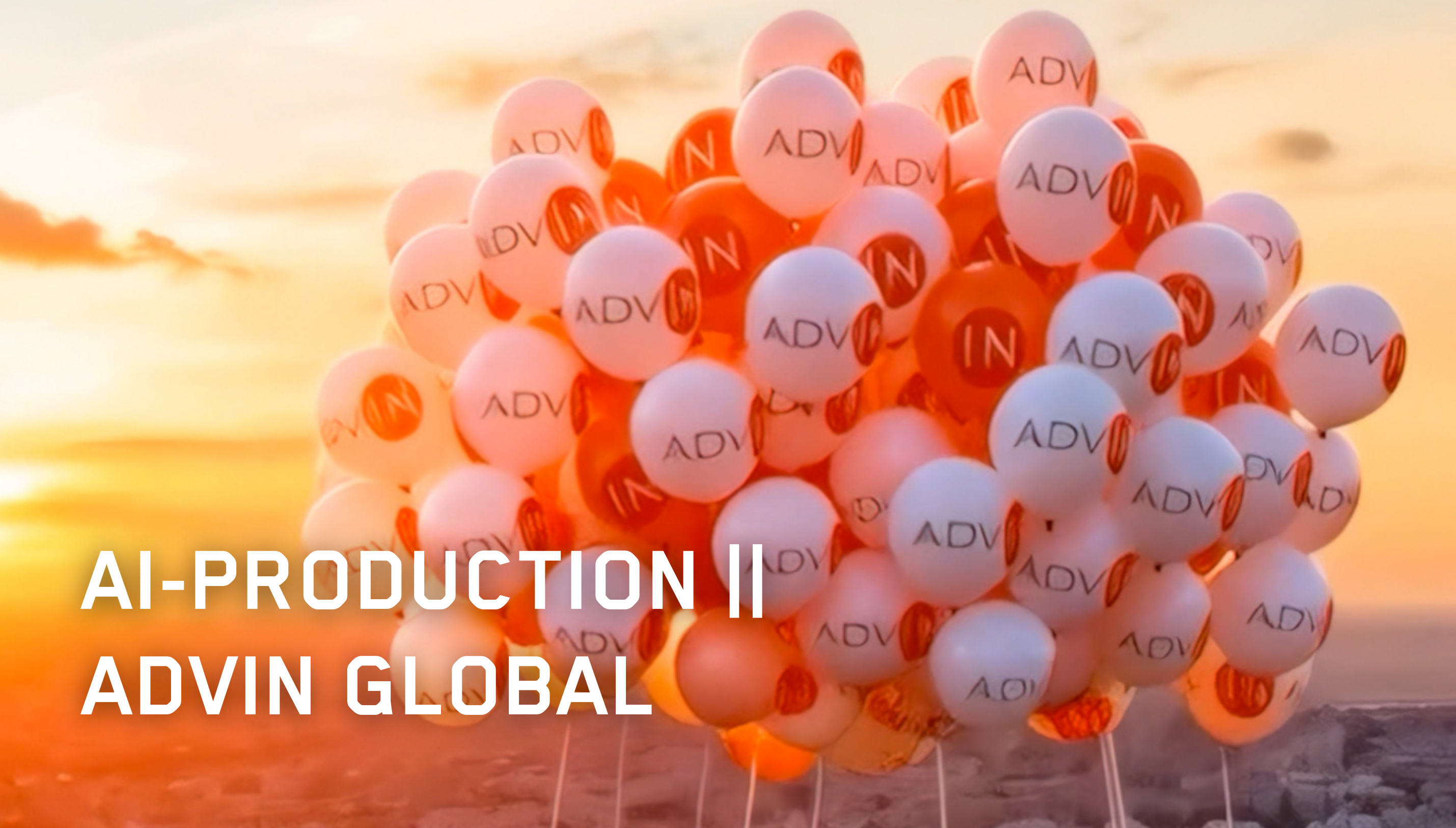
We used generative artificial intelligence tools to create visual images and animations, and combined them with our expertise in 3D and video production. The final video became an example of the synergy between creativity and technology.
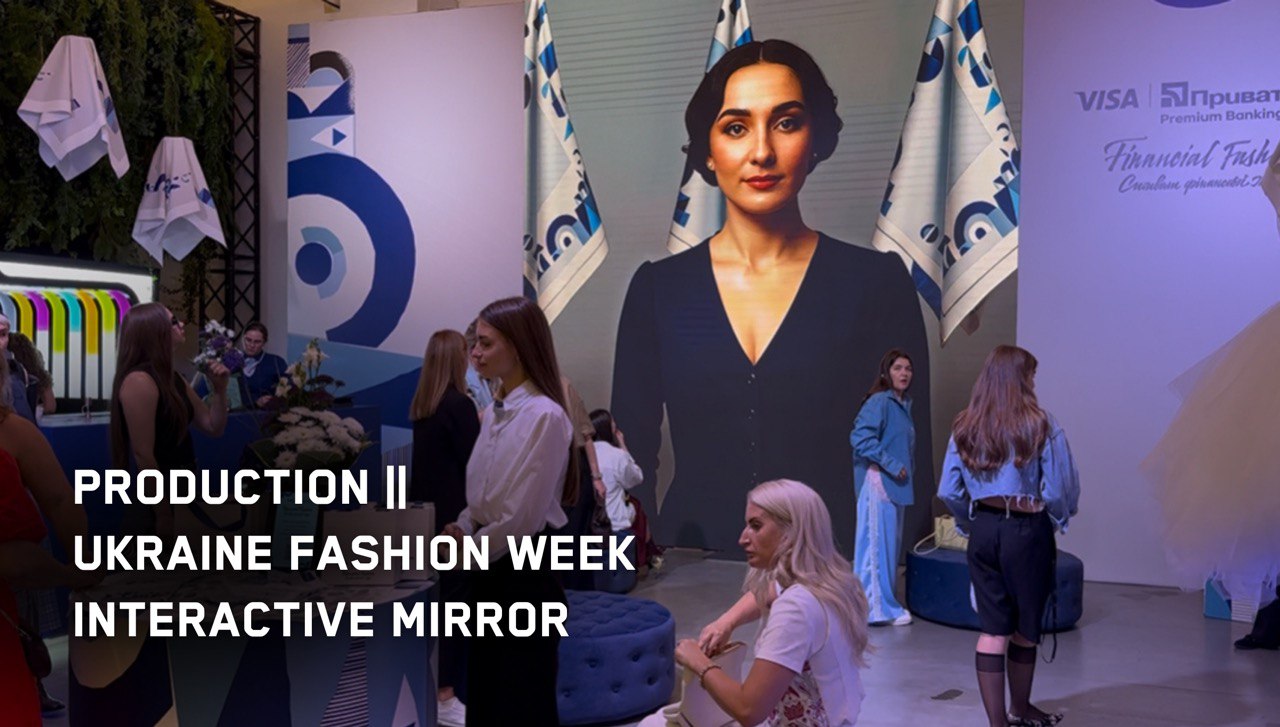
Our team created an installation using AI that reproduced the image of Sonia Delaunay and her legendary scarves. On a large screen, the artist seemed to emerge from archival photographs and bring her original designs to life, creating a powerful visual effect.
In the brand zone, we integrated an interactive mirror with Visa payment technologies. Each visitor could activate a personal scenario by touching the card: the system generated a Delaunay-style fashion postcard in real time, which could be printed immediately and taken away.
By combining AI, interactive displays, touch technologies, and real-time content generation, we created a space that emphasized the brand’s innovation.
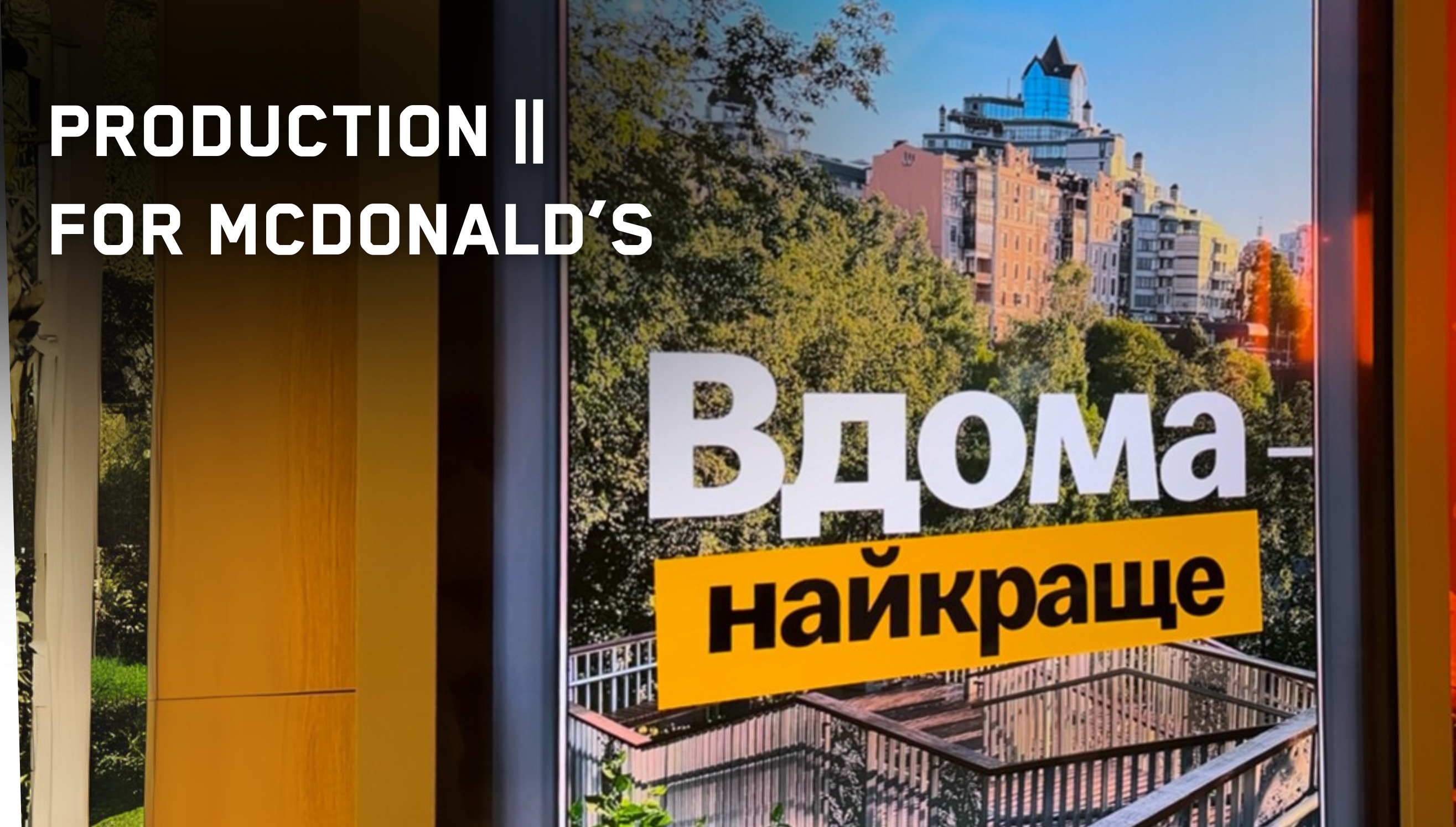
Our team developed an interactive screen window based on an iPad + Smart TV connection. We created an intuitive interface on the tablet that allows users to select a city from an interactive catalog and view its photo content. The selected image was synchronized with the large screen in real time, ensuring smooth interaction between devices.
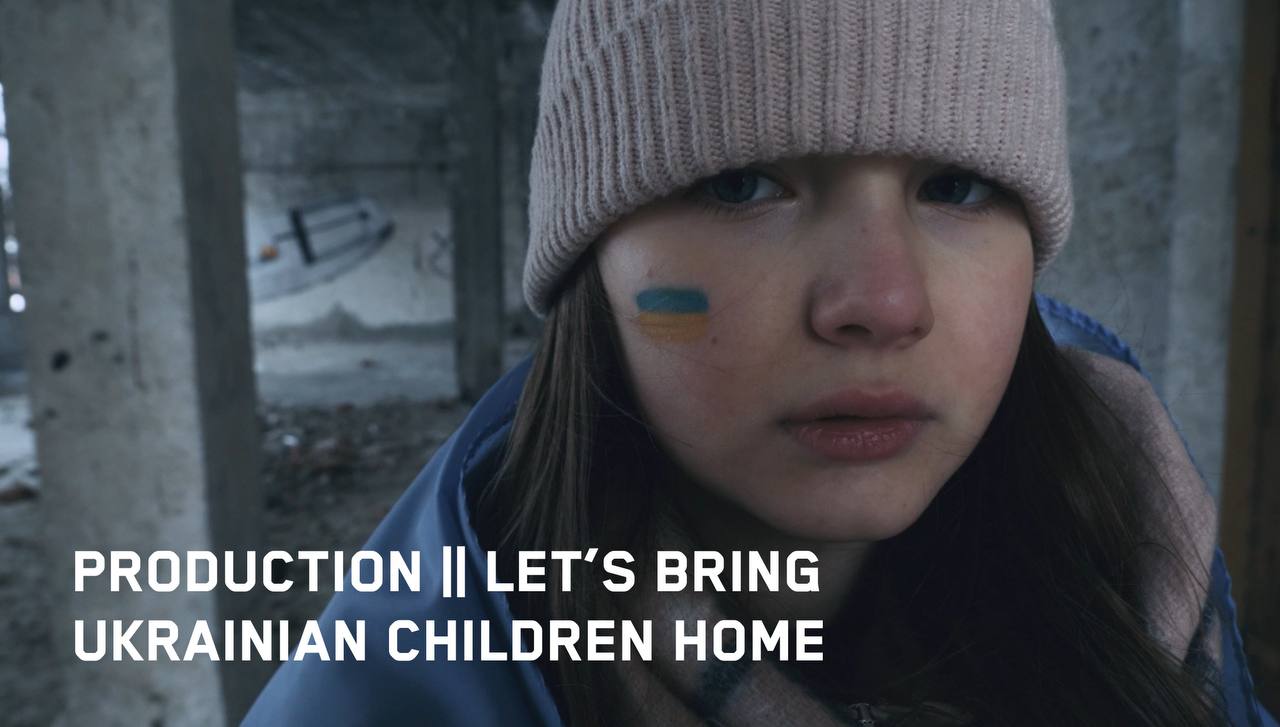
Scripts were created and a full cycle of video production was implemented: filming, editing, post-production, and voice-over. A visual concept and design for digital channels and social networks were developed. Outdoor advertising layouts (citylights, billboards) were prepared for the national campaign. Booklets with step-by-step instructions on assistance mechanisms were designed and printed. A series of information materials for various formats (online and offline) was created, ensuring a consistent campaign style and clear presentation of complex information.