









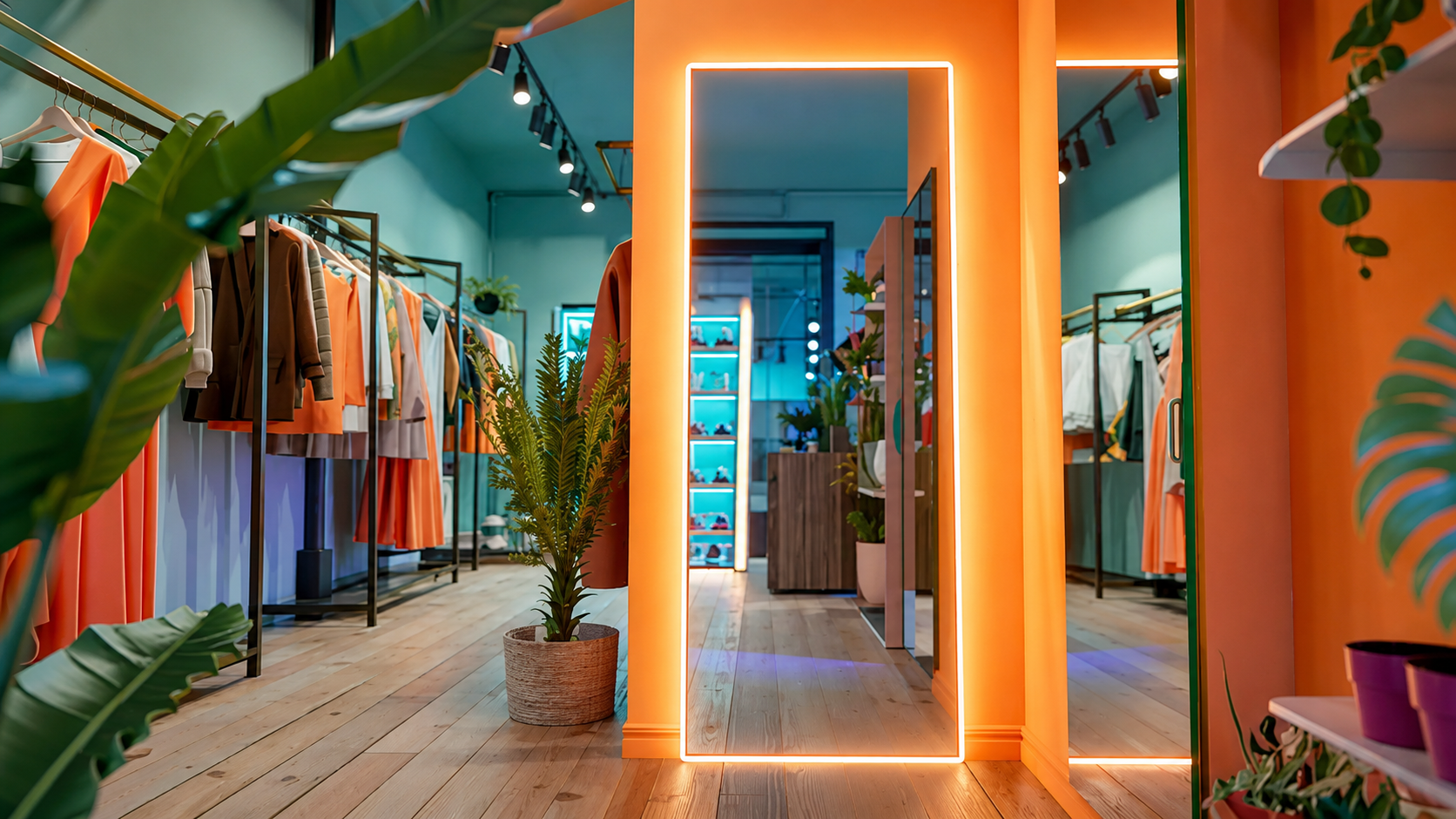
Augmented reality technologies have long ceased to be just a “wow effect” at exhibitions. Today, AR mirrors, or AR mirrors, are actively used in retail, the fashion industry, the beauty segment, and promotional activations. Such solutions help brands create immersive experiences, increase audience engagement, and transform ordinary spaces into multimedia interactive platforms.
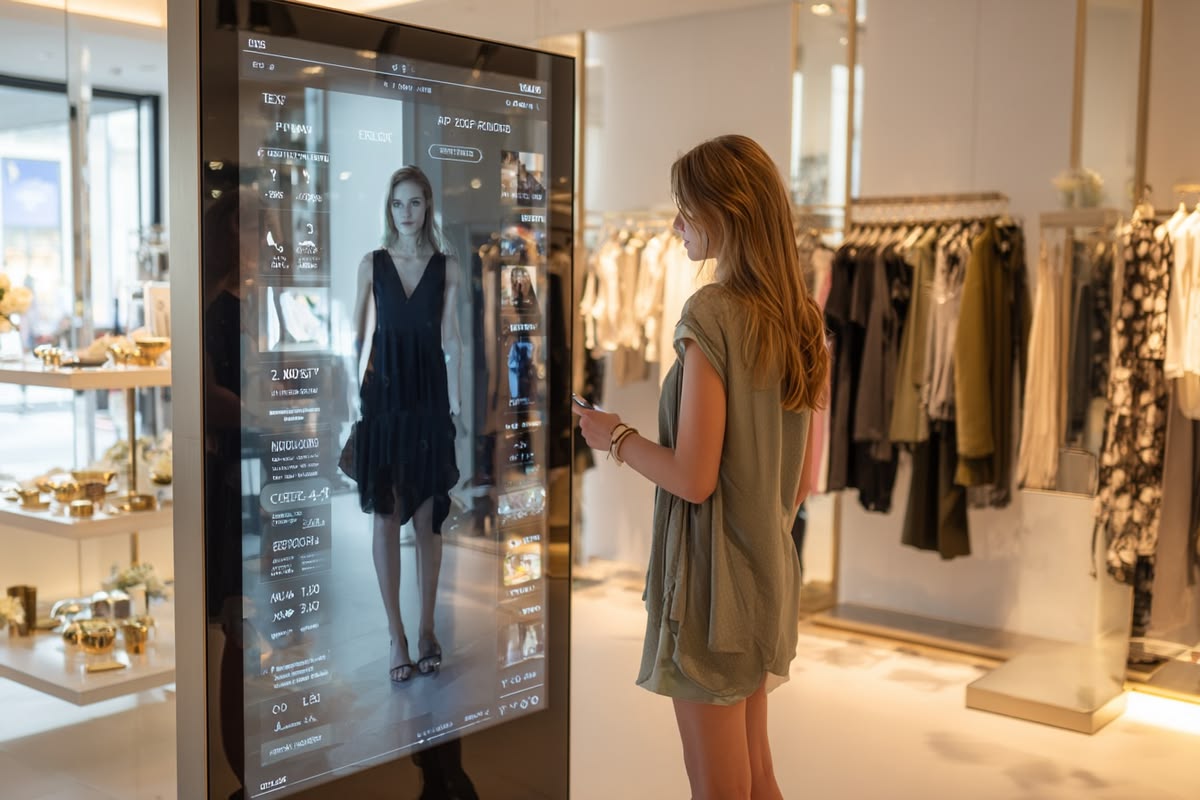
A modern AR mirror is not just a display with a camera. It is an innovative tool that overlays digital content onto a person’s reflection in real time: masks, effects, animations, lighting, virtual clothing, or accessories. That is why augmented reality mirrors are becoming a powerful marketing solution for retail.
In this article, we will look at 5 striking use cases of smart augmented reality mirrors — 3 Ukrainian projects and 2 global examples.
-
LOVE IS… — A Romantic AR Mirror for Emotional Branding
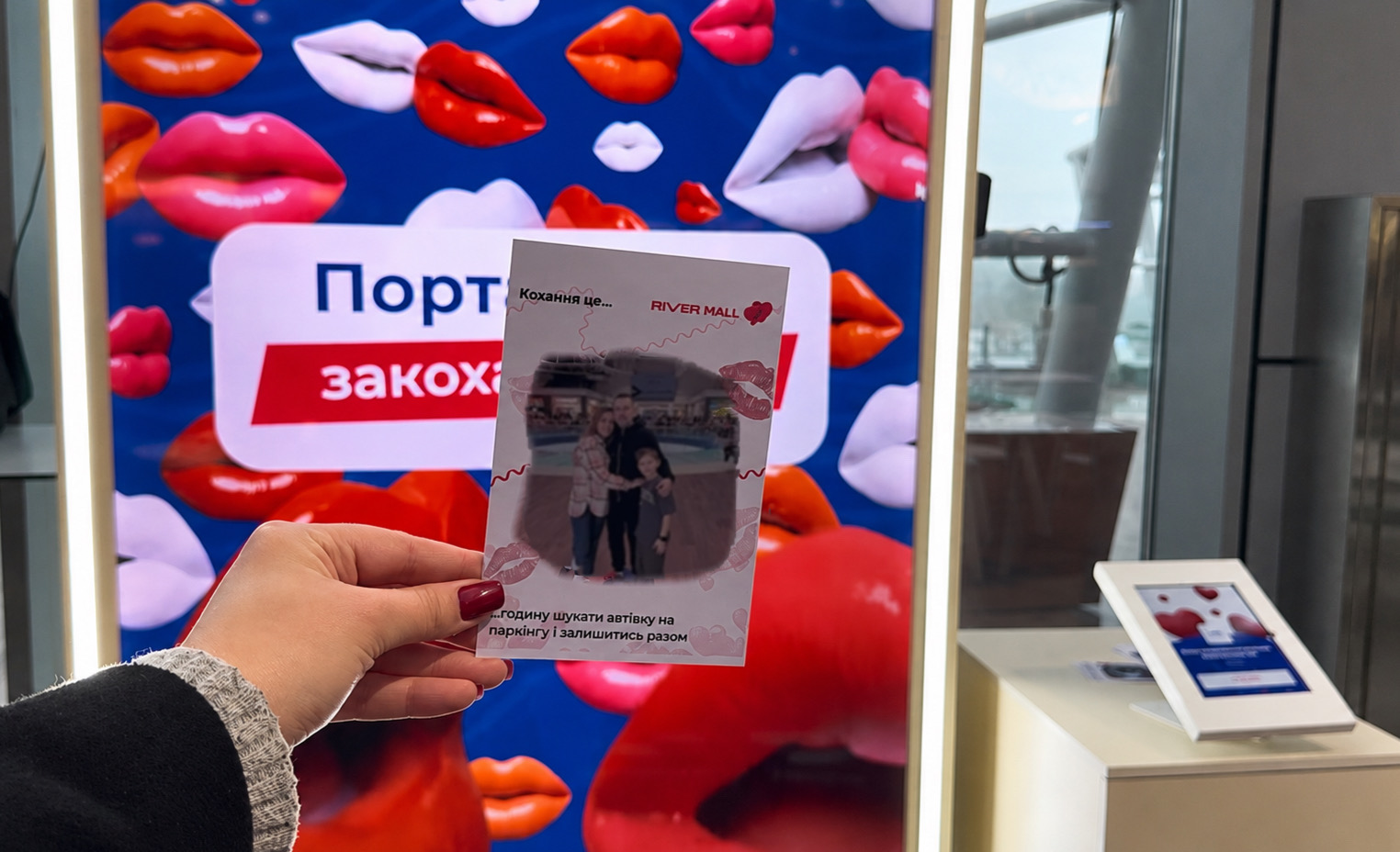
One of the most notable Ukrainian cases was an interactive AR mirror for the LOVE IS… brand. As part of the activation, a digital screen was created that reacted to users’ movements and applied thematic romantic effects in the style of the legendary LOVE IS… inserts. People could see themselves on the screen together with animated hearts, graphics, and branded masks, and they could also print photos by scanning a QR code.
The special feature of the project was emotional audience engagement. Visitors did not just interact with the installation — they created photo and video content for social media. This interactive format helped the brand significantly increase organic reach.
The case perfectly demonstrates how AR mirrors can work not only as a technology but also as a tool for emotional marketing.
-
Satisfyer — A Bold Immersive Experience for Retail
Another innovative case is an augmented reality mirror for the Satisfyer brand.
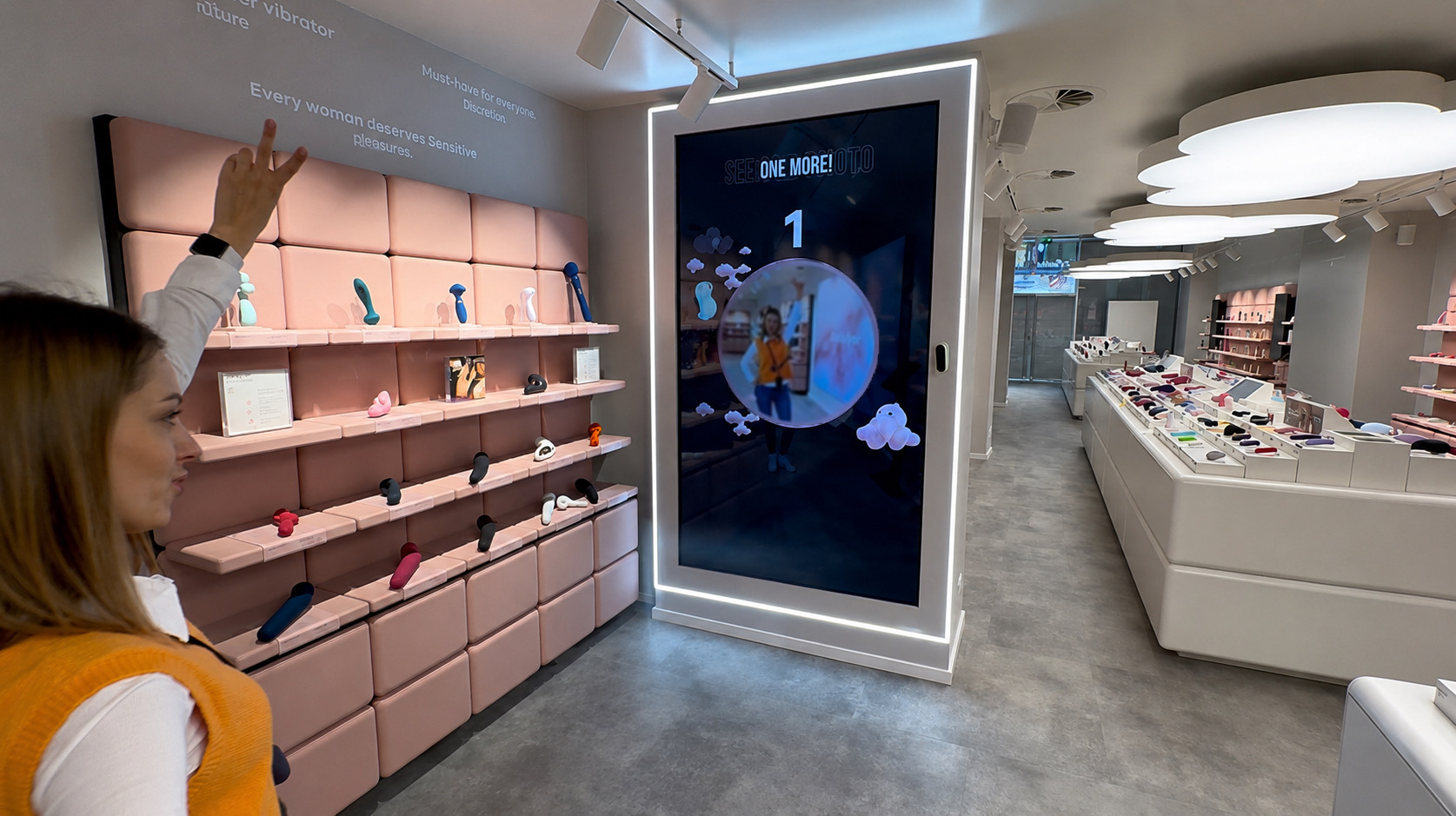
The multimedia display became a full-fledged immersive solution that transformed a classic promo zone into an exciting digital space. The augmented reality mirror applied thematic visual effects and animations, creating a wow effect for visitors.
Special attention was paid to UX: the system reacted quickly to users’ movements, ensuring smooth display of digital content in real time. We implemented two interaction mechanics at once: dancing with a 3D character in augmented reality and taking photos in a branded frame. This format attracts attention to the zone, engages a person in a full experience, and motivates them to complete it, record it on their phone, and take it with them. Thanks to this, people actively interacted with the installation, took photos, and shared content on social media. For the brand, this is more than just a wow effect. It is a tool that combines engagement, emotion, content, and additional recognition through visual identity in every interaction.
For retail, this is important because such smart augmented reality mirrors significantly increase the time of contact with the brand and make marketing activities more effective.
-
AR Mirror for the 2020 Olympic Games
The third case by Advin Global is an interactive AR mirror created for the 2020 Olympic Games.
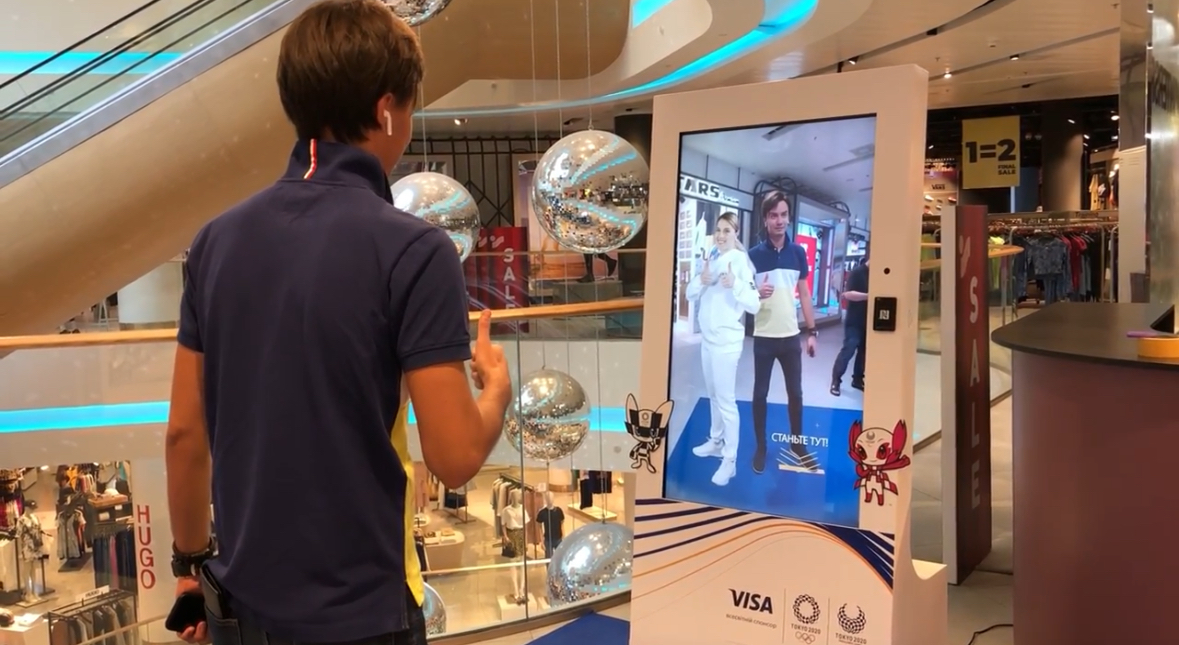
The main objective of the project was to create interactive communication with athletes and give users the opportunity to take a joint photo and instantly share it on social media. To achieve this, we developed the augmented reality mirror structure, programmed the interface, and implemented the entire interaction mechanics.
The user selected an athlete on the screen, after which the digital character appeared in the frame in real time, allowing users to create a joint photo with the effect of full presence. After that, the image could instantly be shared on social media, which additionally enhanced audience engagement and the campaign’s organic reach.
The project became an example of how augmented reality mirrors can be used at major international events and in sports marketing. The interactive screen attracted audience attention, created an exciting experience, and encouraged users to interact with the brand through photos, digital activities, and personalized content.
In addition, such multimedia installations are a universal solution for event marketing, as they can easily be adapted to various promotional campaigns, brands, and interaction formats.
-
Valentino Beauty — A Luxury-Class AR Experience
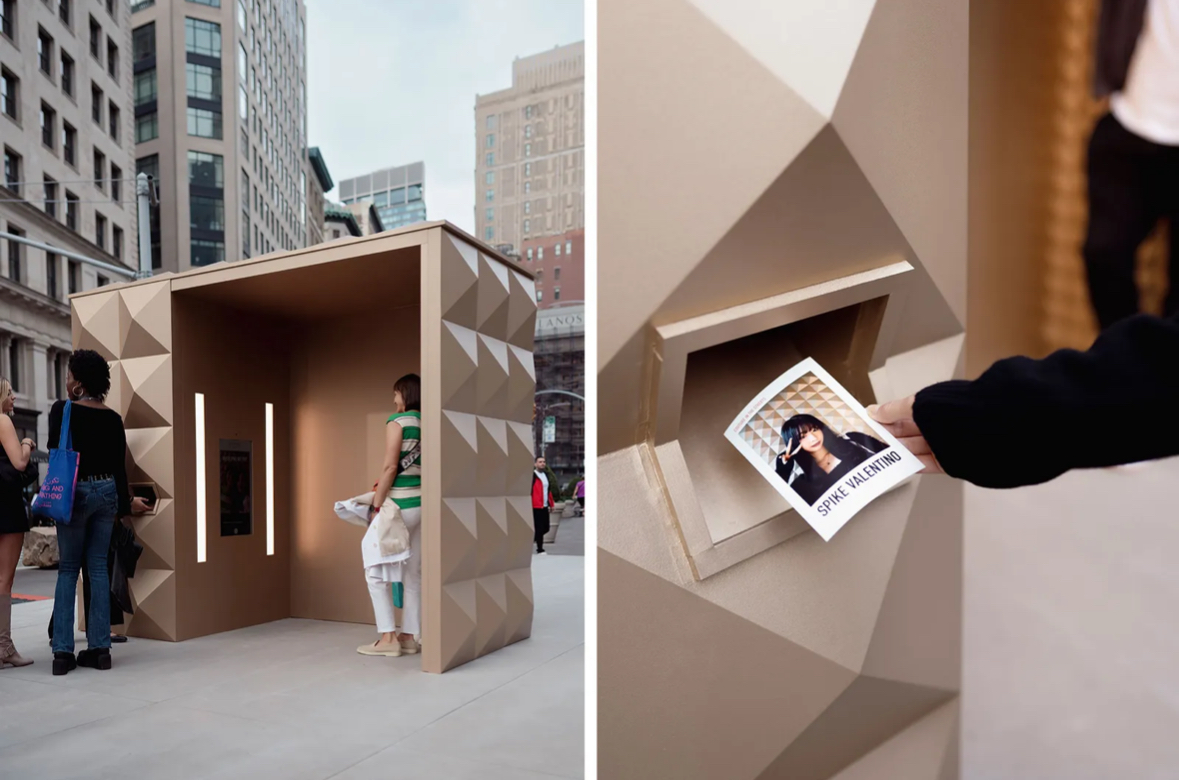
Global luxury brands are also actively using AR mirrors for retail. One of the most notable examples is the Valentino Beauty case.
The brand created an interactive beauty experience where users could virtually test cosmetics through AR technologies. The mirror applied makeup in real time, allowing users to “try on” different looks without physical contact with the product.
For beauty retail, this became especially relevant after the pandemic, when contactless technologies gained enormous popularity. In addition, the digital format significantly simplifies product selection and makes the process more personalized.
This case shows that smart augmented reality mirrors are no longer futuristic — they are a practical sales tool
-
Coach — An AR Storefront That Stops Passersby
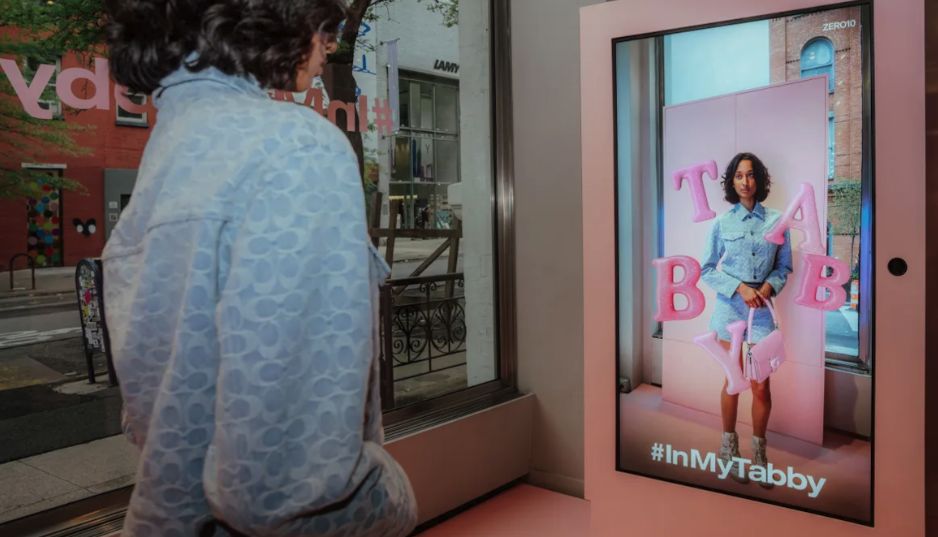
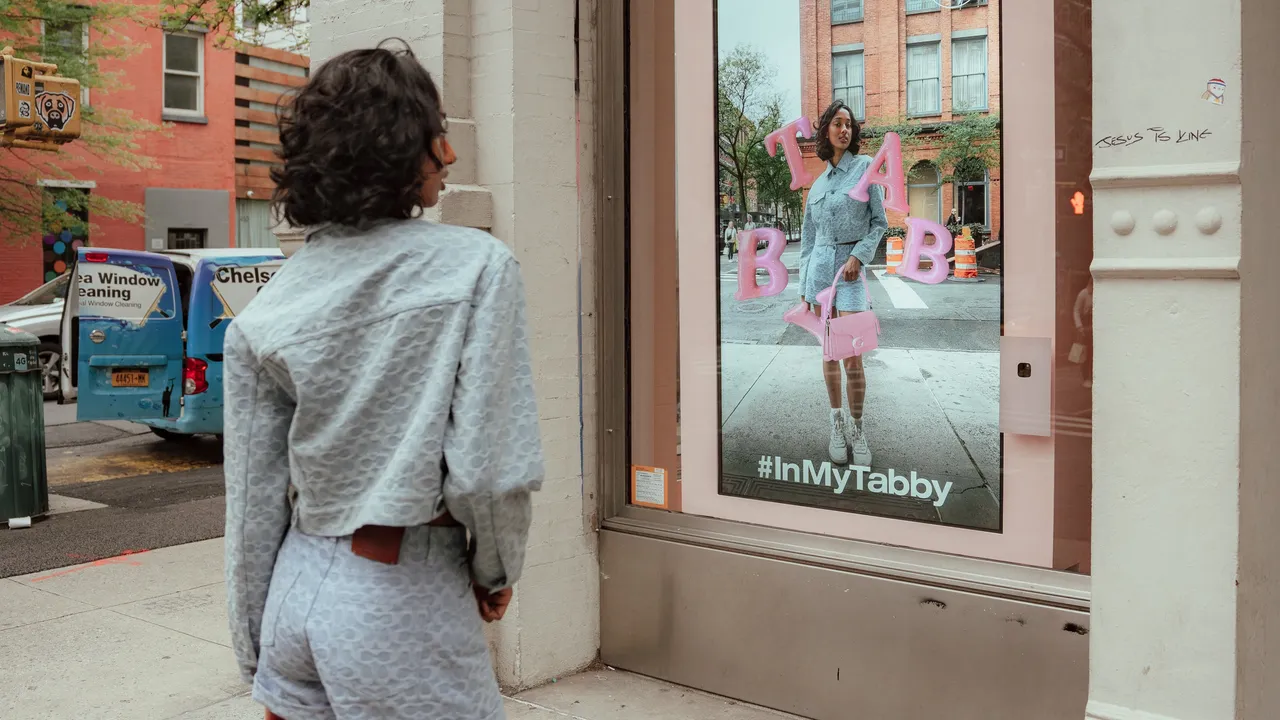
Another interesting global example is the AR try-on window by Coach.
The brand installed an interactive storefront that worked as a giant AR mirror. Passersby could see themselves on the screen and virtually “try on” the brand’s accessories right on the street.
The system reacted to users’ movements and displayed bags and other fashion elements in real time. This format transformed an ordinary store window into a powerful marketing tool with a wow effect.
What is especially important is that such technologies work even without entering the store — they create contact with the brand already at the street level and stimulate audience interest.
Why AR Mirrors Are Becoming a Must-Have for Retail
Today, an AR mirror is a modern tool for retail and brand activations that helps attract attention, engage audiences, and create an interactive experience around a brand. Such solutions:
- increase audience engagement;
- create a wow effect;
- stimulate UGC content generation;
- increase interaction time with the brand;
- make promotional activities more immersive;
- help integrate digital content into physical spaces.
That is why AR mirrors, interactive displays, and multimedia installations are becoming an important part of the modern retail experience.
And while such technologies were once available only to global brands, today Ukrainian companies are also creating innovative world-class solutions.