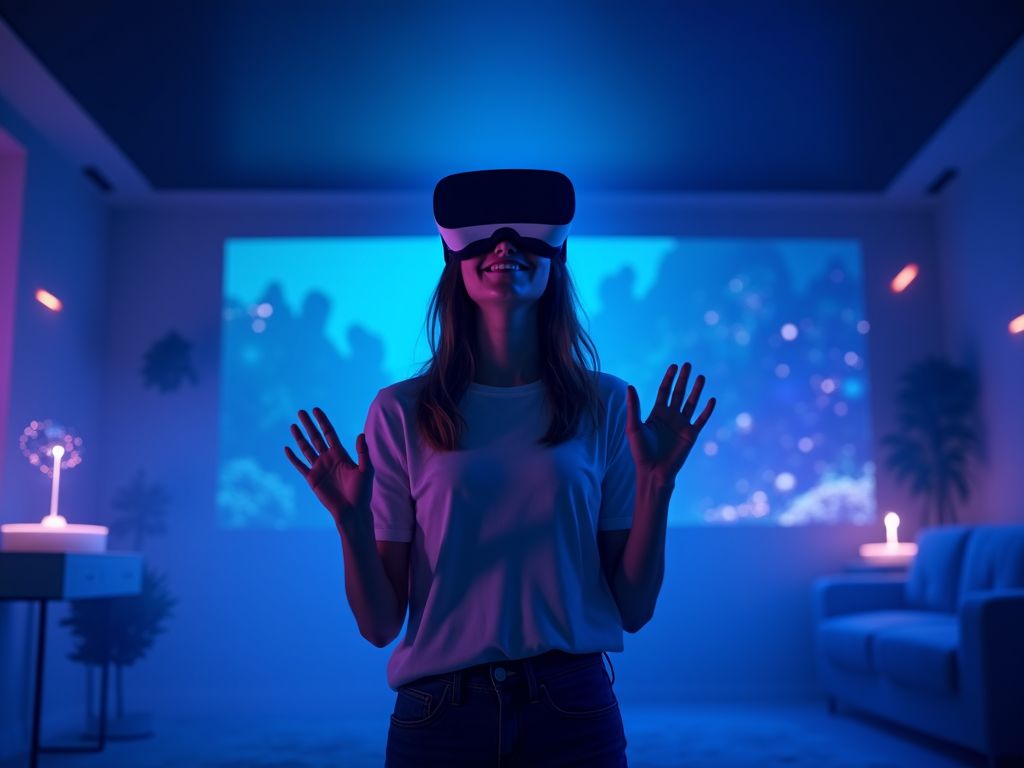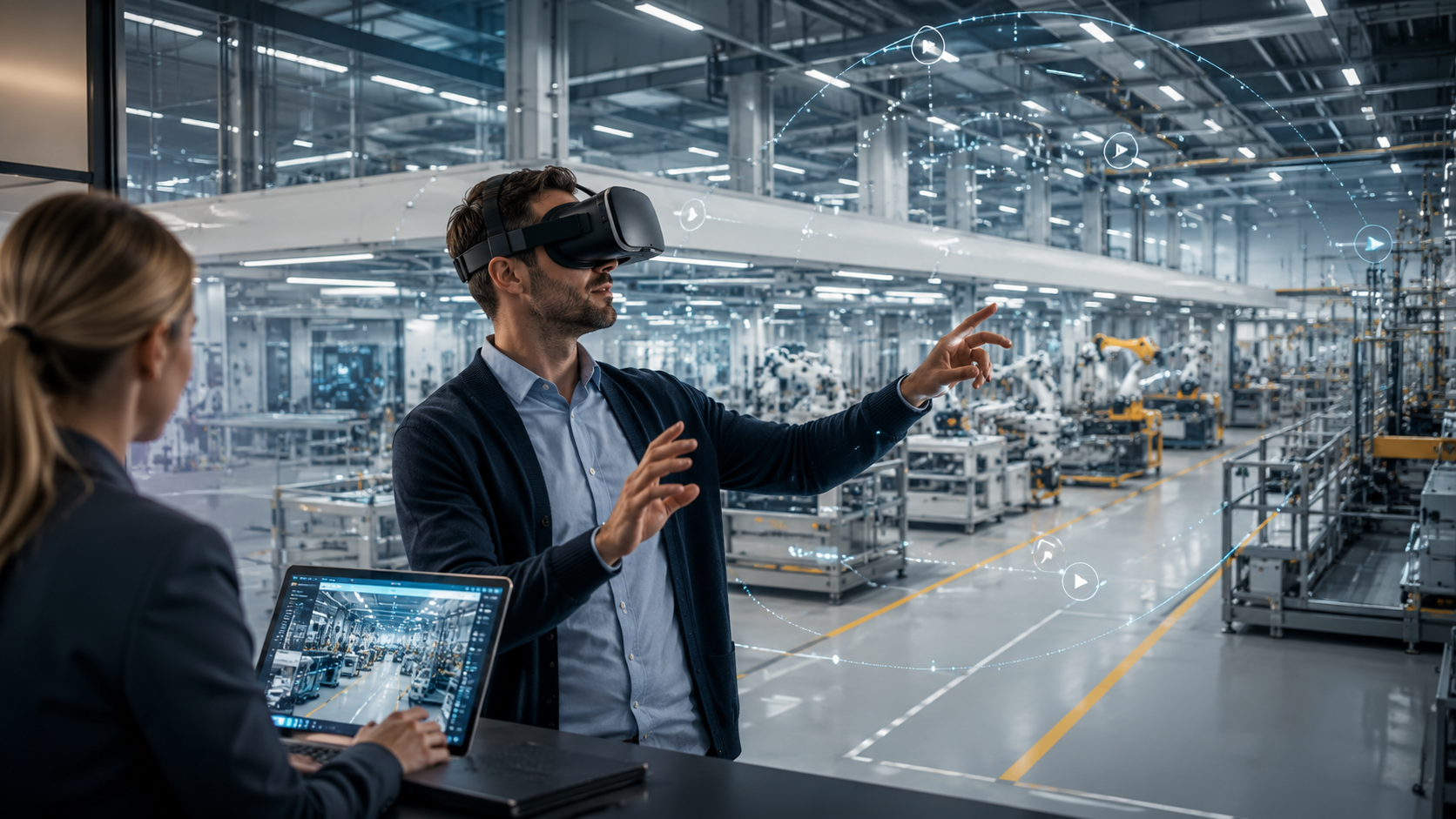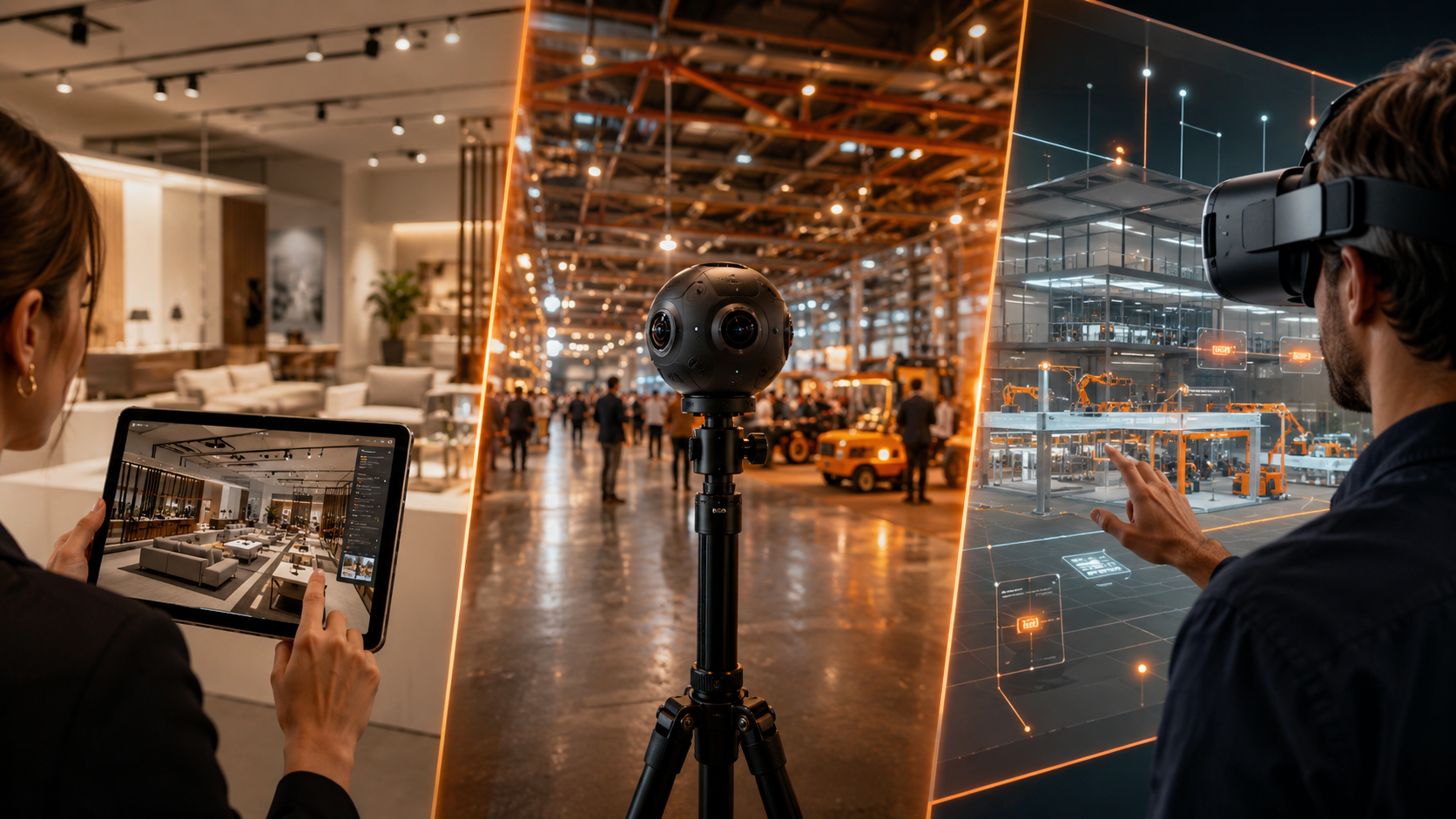










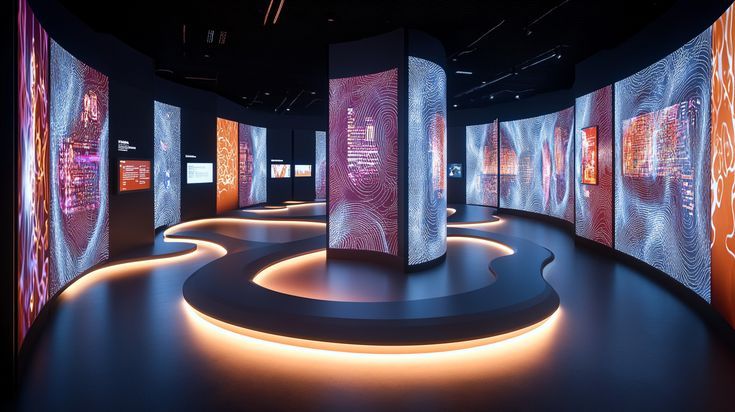
The modern event industry is evolving rapidly. A few years ago, a quality venue, a skilled host, and basic technical equipment were enough, but today that is no longer sufficient. Audiences expect more — emotions, interaction, “wow” moments, and unique experiences. This is why next-generation events increasingly rely on immersive approaches, where AR, VR, and 3D technologies play a key role.
What Are Immersive Events
An immersive format is an approach to organizing events where the participant does not merely observe but becomes an active part of the process. This type of environment creates a sense of immersion, allowing a person to interact with content, space, and the brand on a deeper level.
The immersive model changes the very logic of event perception:
the guest does not just watch — they interact
they do not just listen — they experience
they are not merely present — they are engaged
In this context, virtual reality in the events industry becomes especially important, opening new opportunities for creating unique content.
VR as a Driver of Modern Events
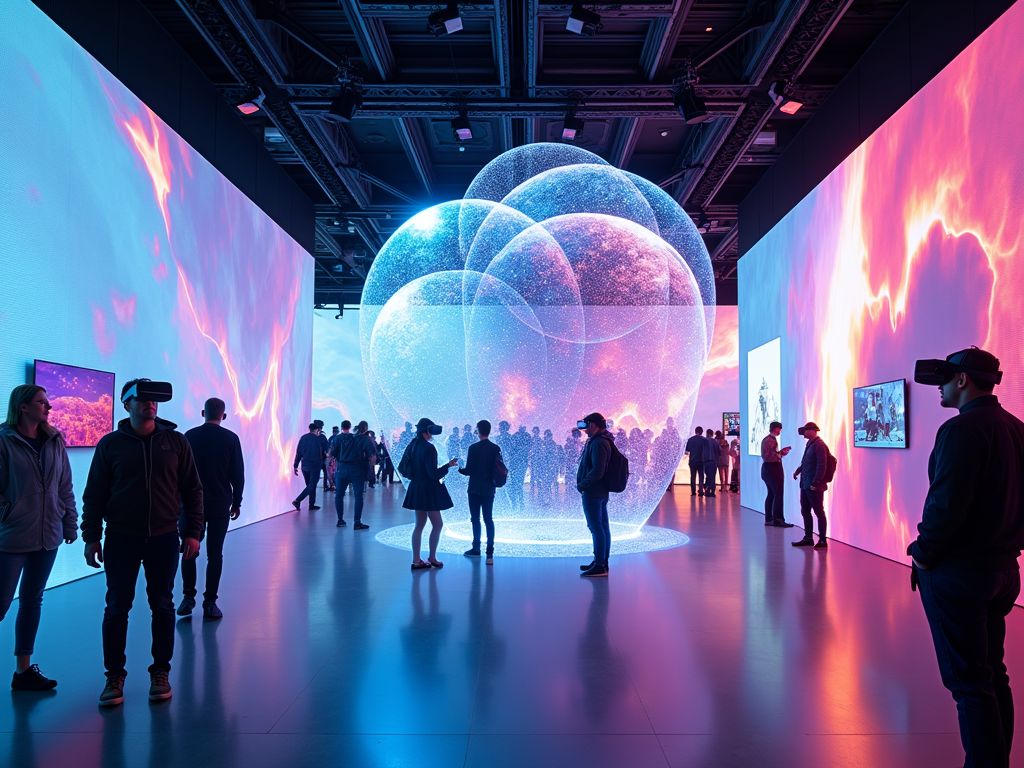
Today, VR for events is not just a trend but a powerful tool transforming the approach to events. VR events allow the creation of fully digital worlds where participants can interact with a product, brand, or scenario.
For example:
- VR at an event can include simulators showcasing the product in action
- events with virtual reality allow presentations without physical limitations
- VR for conferences opens a new format for speeches and networking
Corporate VR events are particularly relevant, as companies use technology for training, presentations, or entertainment.
AR as a Bridge Between Real and Digital
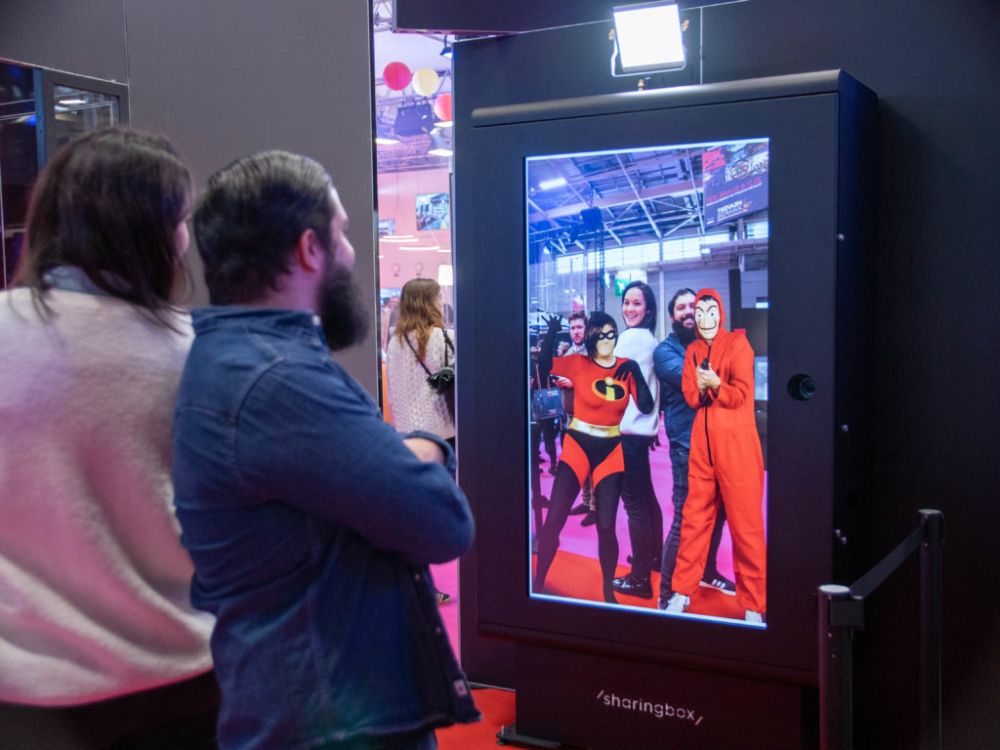
Augmented reality for events is another key element of modern experiences. An AR event allows digital objects to be integrated into physical spaces, creating a unique visual and interactive experience.
AR for events can be applied in various formats:
- interactive photo zones
- AR navigation around the venue
- gamified activities
- virtual product presentations
Technologies like Web AR or AR Apps allow interaction with content without additional complex equipment, making solutions more accessible and scalable.
New Formats: From Entertainment to Business Tools
Immersive technologies have long gone beyond the entertainment segment. Today, they are a full-fledged business tool actively used in different types of events:
1. Conferences and Business Events
VR for conferences allows:
- creating interactive presentations
- showcasing complex products in 3D
- organizing virtual booths
This format makes conferences more dynamic and memorable.
2. Product Presentations
Immersive presentations allow:
- displaying products in detail
- creating an effect of immersion
- establishing an emotional connection with the brand
3D Production and VR 360 are key tools in this area.
3. Corporate Events
Corporate events with virtual reality are actively used for:
- staff training
- onboarding processes
- team interaction
VR for team building is one of the most effective ways to unite a team through shared experiences.
Technologies Shaping the Future of Events
Modern events rely on a combination of different solutions:
- VR (virtual reality) — full immersion in a digital environment
- AR (augmented reality) — integration of digital content into the real world
- 3D — creation of visually appealing models and scenes
Additional tools include:
- VR 360 — panoramic experiences
- AR Mirror — interactive mirrors
- Web AR — access without app installation
- AR App — customized brand solutions
These platforms allow for scalable and at the same time personalized experiences.
Equipment and Technical Implementation
A high-quality immersive event requires proper technical equipment. Key components include:
- VR headsets
- motion sensors
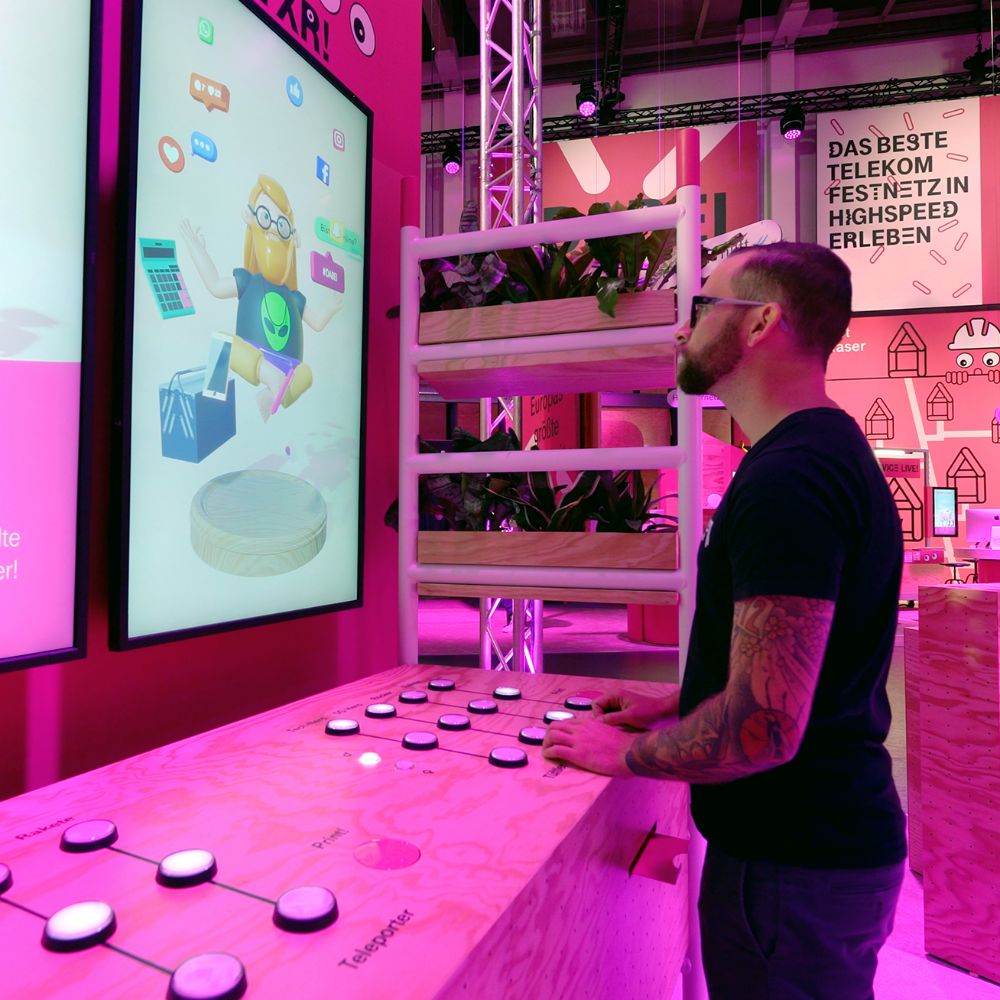
- interactive screens
- server platforms
A space equipped with modern technologies becomes a full digital environment where every element contributes to the experience.
Why It Matters for the Brand
Immersive events directly impact brand perception. They:
- increase audience engagement
- create an emotional connection
- make the brand more innovative
In a world of increasing competition, experience becomes the key factor. People remember emotions, not information.
Scale and Flexibility
Modern technologies allow both local and large-scale projects. Immersive solutions easily adapt to:
- different formats
- different audiences
- different budgets
This makes them a universal tool for any type of event — from a small presentation to a large corporate gathering.
The Future of the Industry
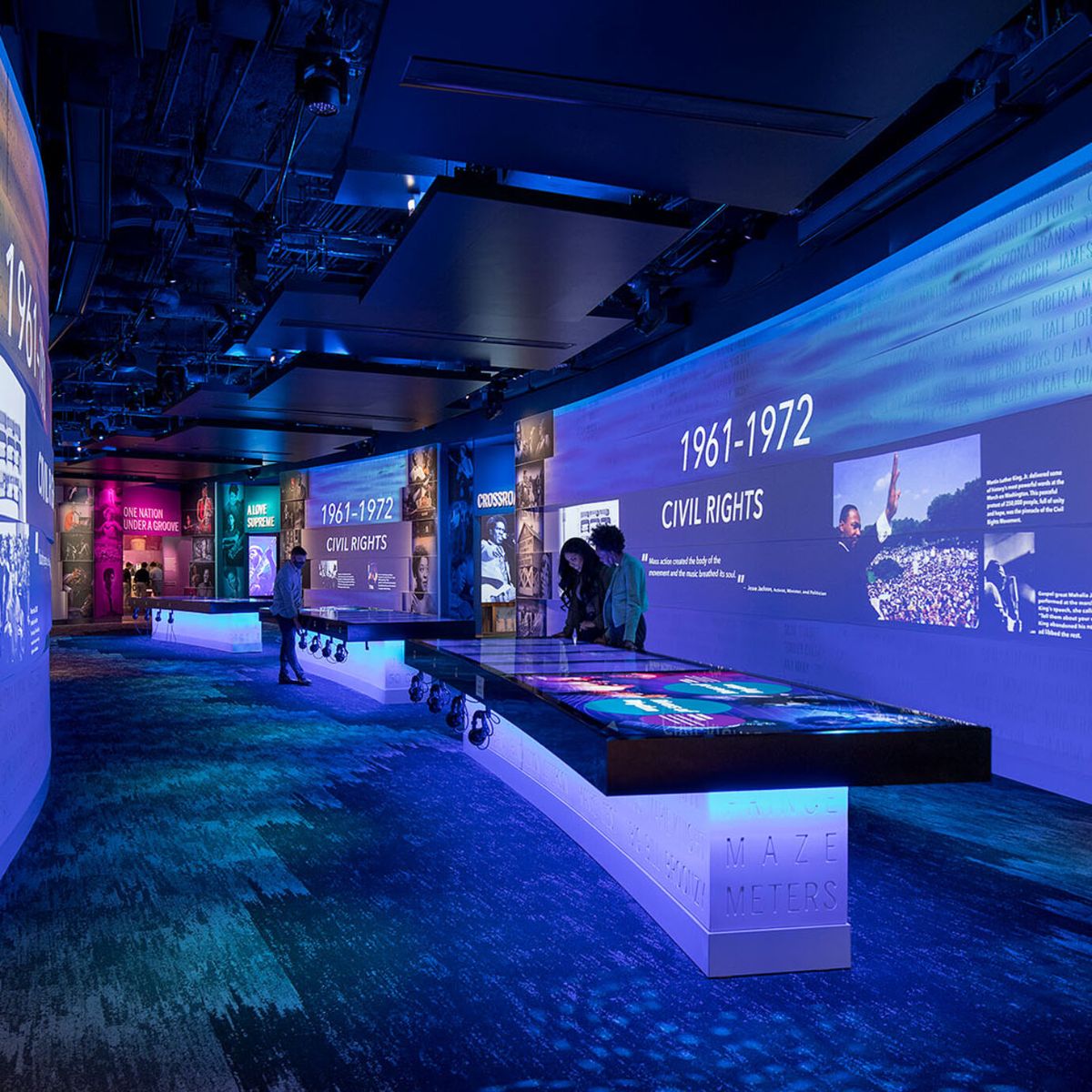
The event industry is moving toward full digitalization and interactivity. Immersive technologies are becoming the standard, not the exception.
In the coming years, we will see:
- even more integration of AR and VR
- the development of mixed reality
- personalized experiences for every participant
Events are no longer just gatherings — they become platforms for interaction, communication, and value creation.
Next-generation events are the synergy of technology, creativity, and deep audience understanding. VR events, AR events, augmented reality for events, and other immersive solutions are setting a new standard in the event industry.
Today, simply organizing an event is not enough. It is important to create an experience that will be remembered, impress, and leave an emotional mark. This is exactly what immersive technologies do — they transform ordinary events into a powerful tool for brand communication with the audience.