




A shopper finds a sofa they like in a photo but puts off ordering it: they cannot picture how it will look in their living room. Another visitor compares several frames, cannot decide which one suits them, and closes the tab. The store has spent money attracting these visitors, but at the selection stage they lacked confidence.
Behind this are three problems. Products are difficult to assess from a distance. Product pages do not hold attention. And some orders are returned because the item turns out to be different from what the shopper imagined.
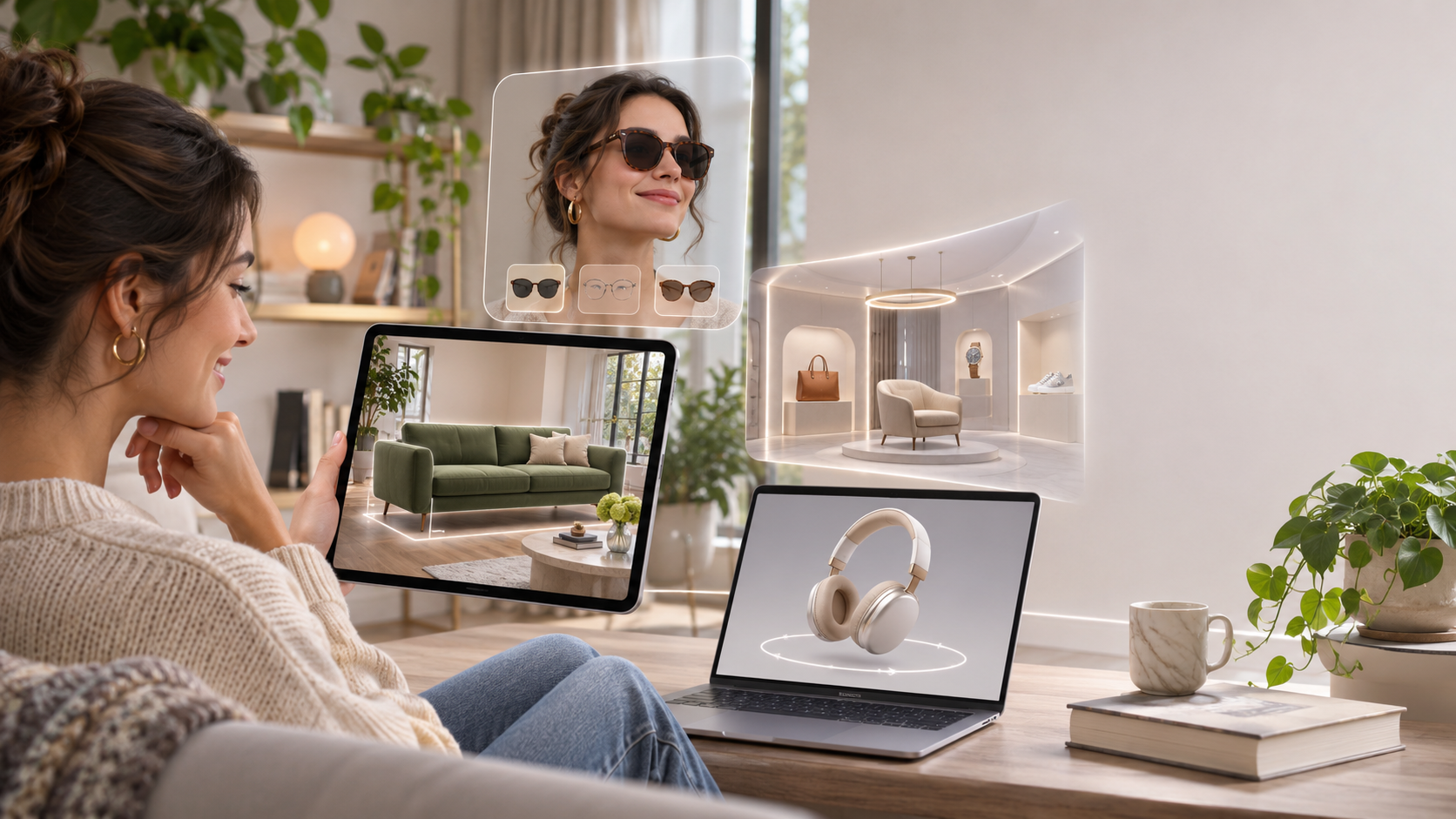
Solutions based on AR, VR, 3D and AI technologies resolve some of these doubts even before purchase. Shoppers can try on a product, see it in their home, inspect it from all sides, walk through a virtual showroom or see how an item works. Below are five such possibilities and how the ADVIN GLOBAL team implements them.
Virtual product try-on online: see how an item looks on you
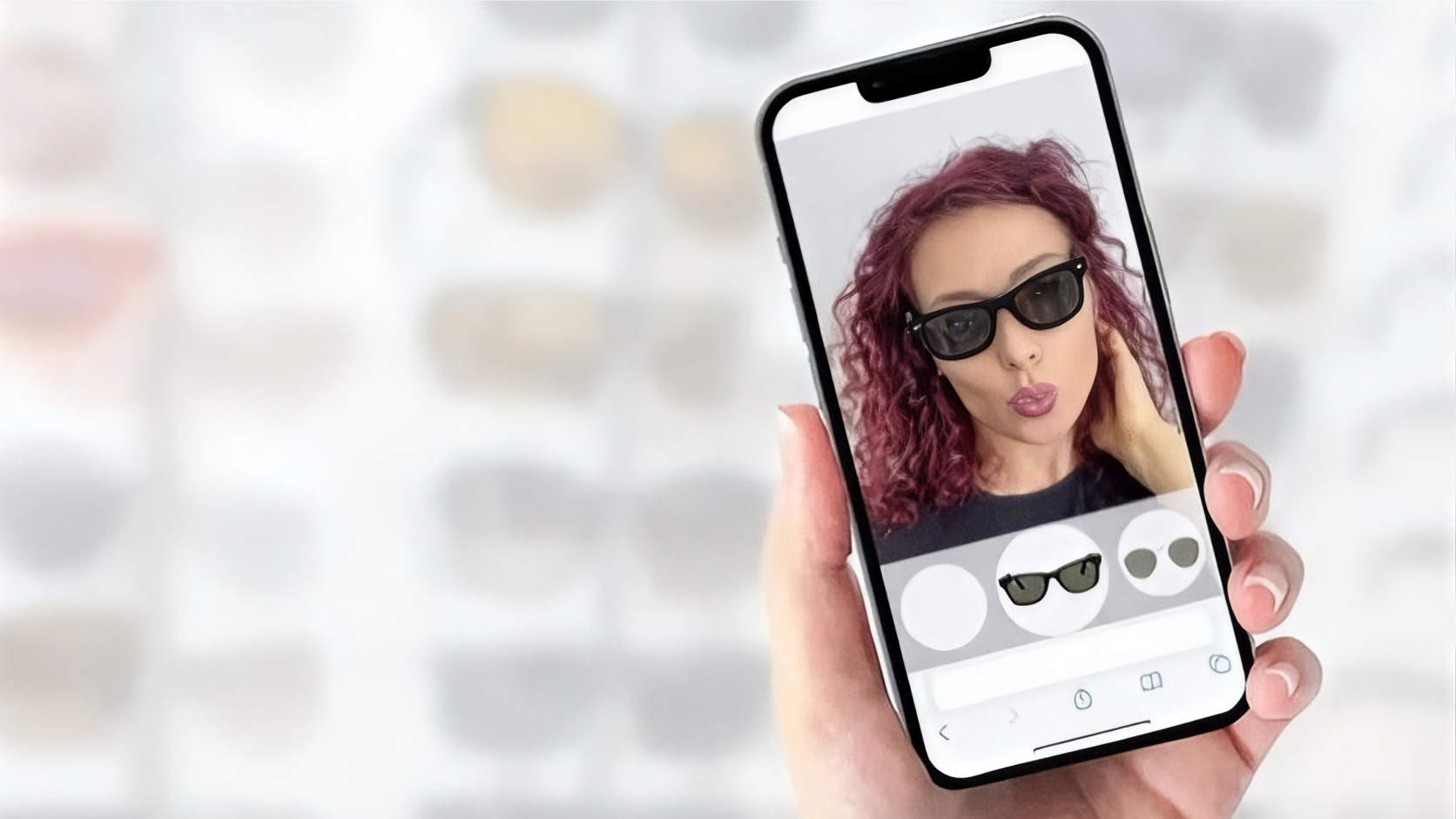
Two frames look equally appealing in the catalog, but completely different on the face. Virtual try-on, or AR try-on, answers this question in a few seconds: the shopper looks at their smartphone screen and sees the frames on their face. They can see the shape, the color and how the look changes.
For the store, this interaction helps present its product range more fully. Shoppers can compare several models, find a suitable alternative and choose a product with more confidence. Try-on also helps create more realistic expectations about the look, so there are fewer “it didn’t suit me” returns.
ADVIN creates online try-on in two formats. WebAR opens in the browser from the product page in two clicks, with no app installation required. AR App works within the store’s mobile app and is suitable for regular use. This type of try-on is suitable for glasses, jewelry, headwear, footwear and clothing. For clothing and footwear, it helps shoppers assess the look and style, while the size is best chosen using a size chart.
Viewing products in an interior with AR: see an item in your own space
In interior photos, both coffee tables go well with the sofa. In the shopper’s apartment, the round one fits into the room, while the rectangular one makes it feel cramped. Augmented reality makes it possible to see this before ordering: the person points their camera at the floor and places a full-size 3D model of the table next to the sofa.
An armchair can similarly be “placed” next to a desk, and a coffee machine on the kitchen countertop. This does not replace a tape measure: measurements should be taken before installation. But choosing a model based on proportions and color becomes easier, and products are less often returned with the words “it didn’t suit the interior.”
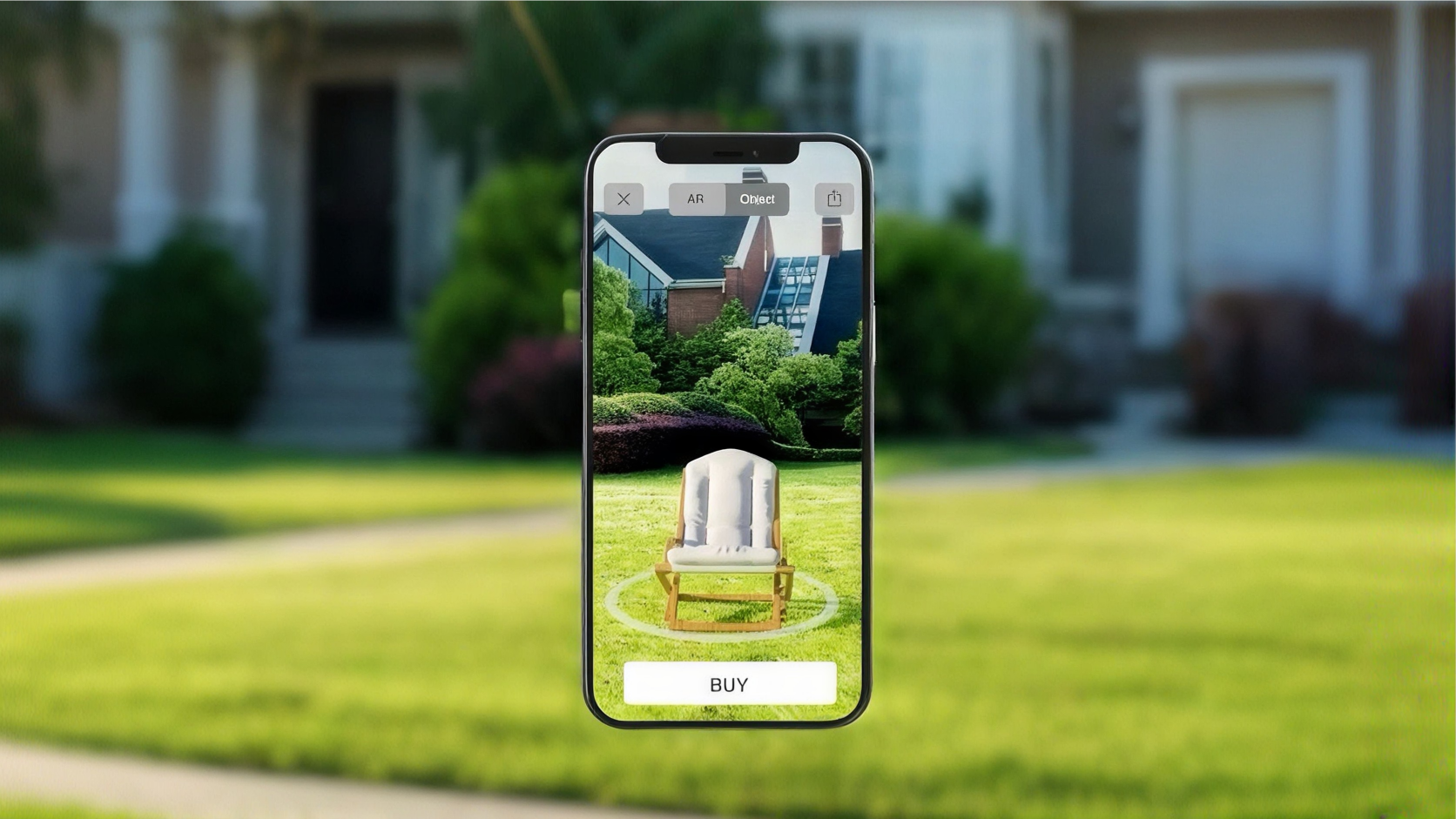
For this type of viewing, ADVIN develops AR solutions for the website in WebAR format or for the store’s mobile app in AR App format. Suitable for furniture and decor, household appliances and tableware.
A 3D product model for an online store: a view from every angle
Before ordering a backpack, a shopper wants to check what the back panel looks like and where the pockets are. When choosing a speaker, they are interested in the ports, while with footwear, it is the shape of the sole and the materials inside. The photos on a product page are usually not enough: they show what the photographer decided to feature.
This is where 3D product viewing helps. The shopper rotates the model, zooms in on the detail they need and examines it as though holding the product in their hands. If the product has variants, a choice of color or upholstery is added to the model, making it possible to see how the item changes.
Similar products often differ in small details that get lost in a specifications table. In 3D, these differences are immediately visible.
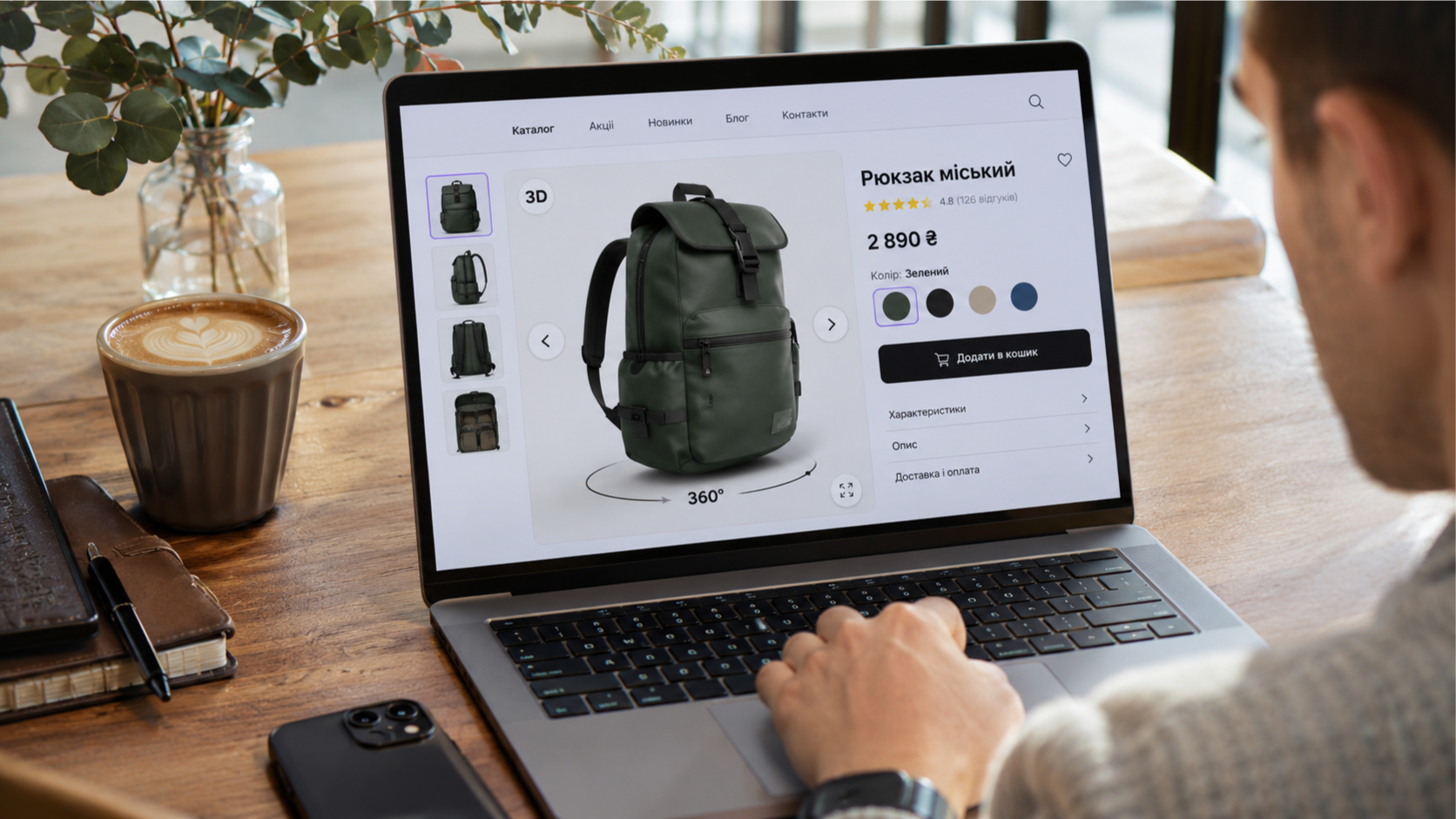
ADVIN creates 3D product models with precise detailing, realistic materials and lighting: shoppers assess the product as though seeing it in person. A single model can be used on the product page, in advertising, in videos and in AR. These models are suitable for electronics, bags, footwear and furniture.
A virtual showroom for an online store: products in a finished setting
Someone furnishing a dining room chooses several related items at once: a table, chairs, a light fixture and decor. In a virtual showroom, they can see them together and understand how they work with one another.
The store presents complete arrangements, individual showroom areas or entire collections. The shopper explores the space, finds interesting items and examines them in a real setting. This helps them decide even when they initially have only a general idea of their future purchase.
For the store, a showroom makes it possible to sell through a cohesive look. Alongside the main product, the store can show appropriate additions and explain the style of the collection, making it easier for shoppers to put together a set. Those who cannot visit the physical showroom can explore the display online.
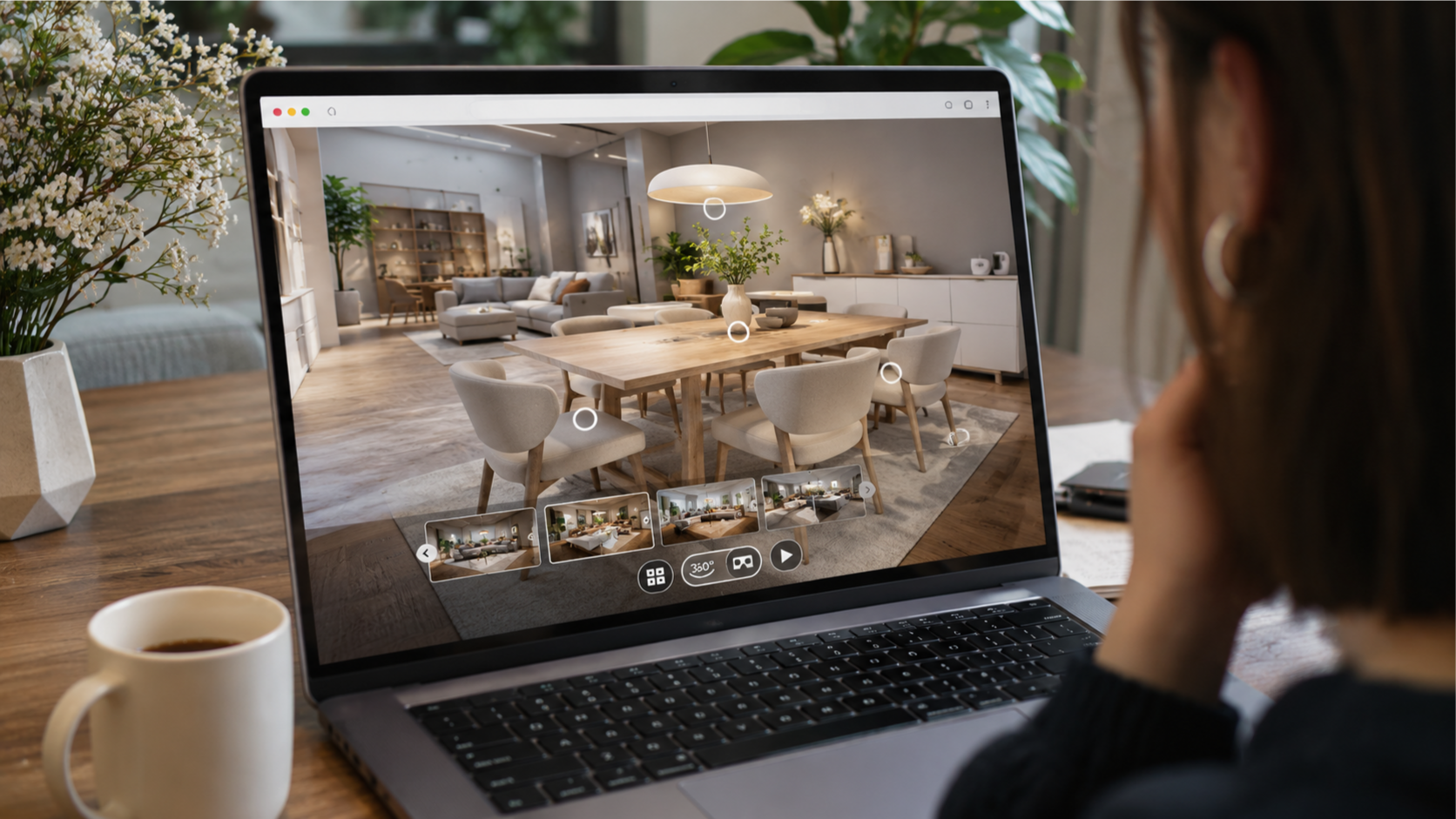
ADVIN creates virtual showrooms in VR 360 format: panoramic video in which viewers choose where to look, as though walking through a showroom or exhibition. The format is suitable for furniture, lighting and decor, which shoppers often select when furnishing a single space.
3D animation and product visuals: in motion and in everyday life
The table description says “extendable.” A short animation shows how it extends and where the additional surface appears, and this is clearer than a paragraph of text. In the same way, it can show how a stroller folds, how a chair is adjusted or how compartments in appliances open.
A separate task is to show the product in everyday life. A lamp next to a workspace, a bag on a trip, a coffee machine in a home kitchen. When shoppers see an item in a familiar situation, it is easier for them to imagine it in their own lives.
The store can combine context and motion: a usage scenario attracts attention, while animation explains a specific function. Both formats can be placed on product pages, in advertising and on social media.
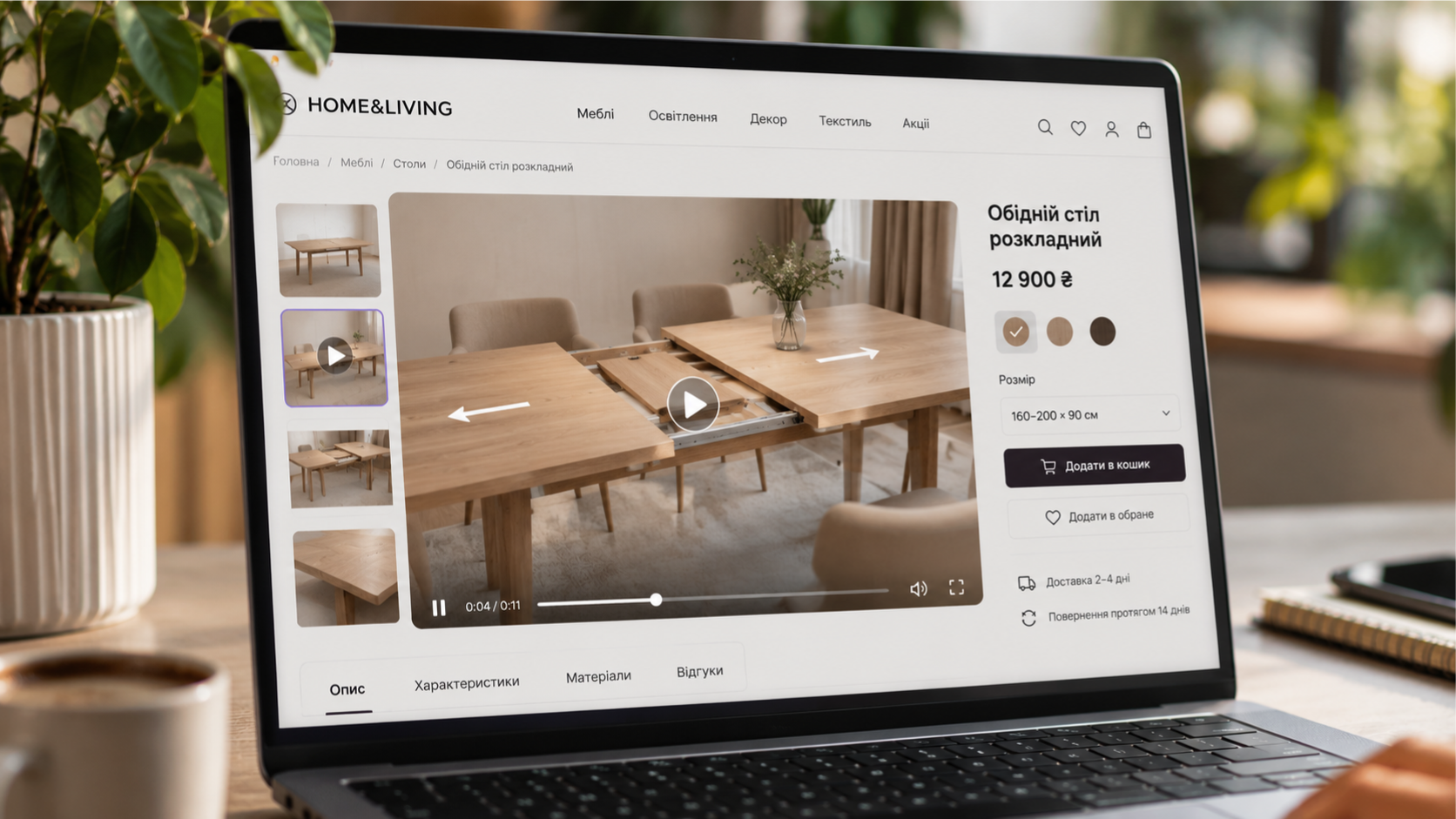
ADVIN creates 3D animation that shows a product’s movement and construction. Usage scenes are created as AI product visuals and videos, without a separate shoot for every situation. Animation and visuals are suitable for furniture, household appliances, footwear and accessories.
From first glance to placing an order
Shoppers move toward an order gradually. Visuals and videos attract attention, a 3D model helps compare similar products, a virtual showroom shows how items work together, and try-on or viewing at home provides confidence in the choice. There is no need to launch everything at once: you can start with a single format that answers the main question shoppers have about your catalog.
To decide where to start, look at what shoppers browsing your catalog most often cannot assess before ordering:
- they cannot imagine how an item looks on them — virtual try-on;
- they do not know whether it will fit into their space — AR viewing at home;
- they cannot examine the details and materials — a 3D model;
- they are putting together a set of several items — a virtual showroom;
- they do not understand how an item works — 3D animation.
Want shoppers to choose products in your store with more confidence? Discuss your project with the ADVIN GLOBAL team. Send a link to your catalog and tell us what shoppers find hardest to assess before buying, and we will suggest which format to start with.